
Medically reviewed by Dr. Abdul Khan, MD Nephrology, Southern Oklahoma Kidney Center
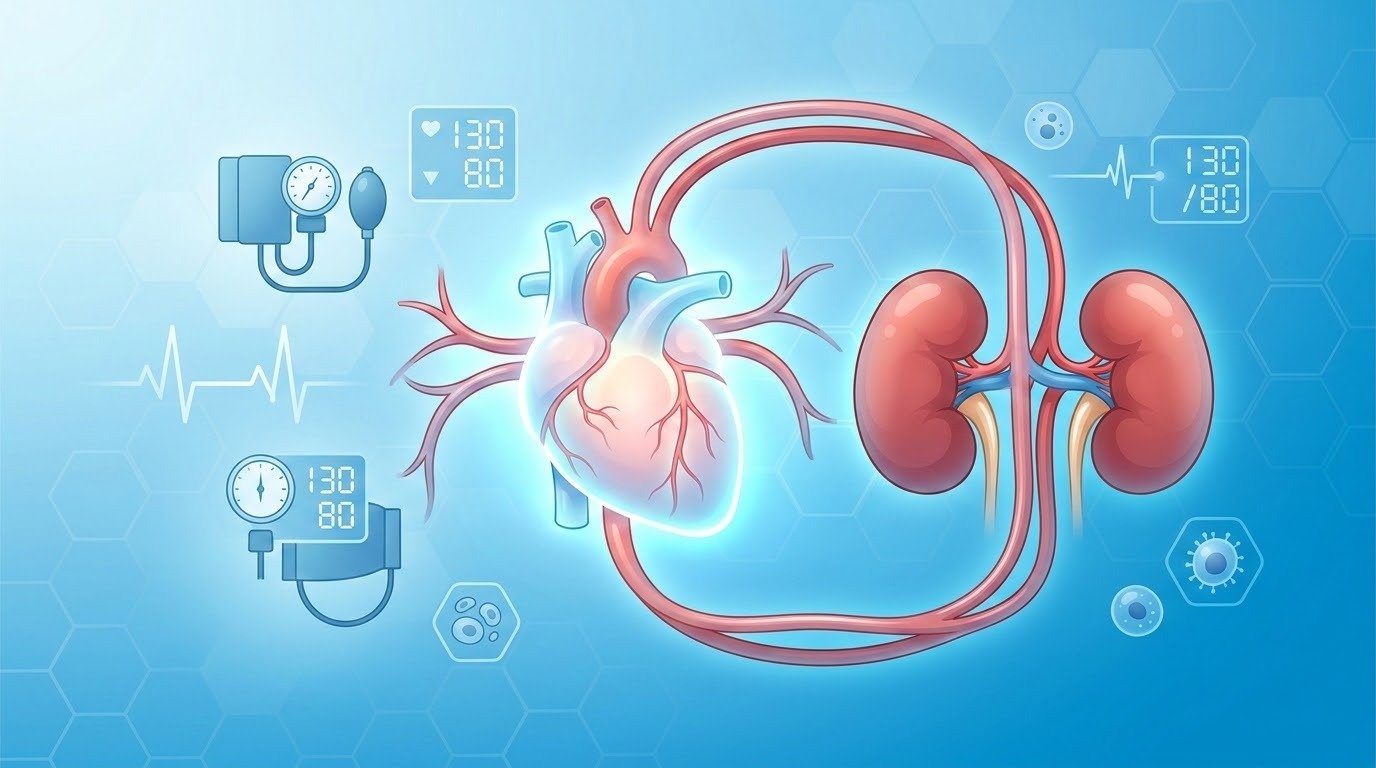
High blood pressure and kidney function share a two-way relationship: uncontrolled hypertension is one of the leading causes of kidney damage, and declining kidney function makes blood pressure harder to control. Our nephrology team at Southern Oklahoma Kidney Center sees this cycle often in patients across Ardmore, Ada, and Gainesville. The encouraging news is that the cycle can be interrupted with the right monitoring, lifestyle changes, and medical care. This guide walks through how blood pressure affects the kidneys, the numbers you should track at home, and the strategies our nephrologists recommend to protect kidney function for the long term.
How Blood Pressure Damages the Kidneys
The kidneys contain millions of tiny filtering units called nephrons, each wrapped in delicate blood vessels. When blood pressure stays elevated for months or years, it thickens and narrows these vessels, making it harder for the kidneys to filter waste and remove excess fluid. This reduces the glomerular filtration rate (GFR), the primary measurement of kidney function. As filtration slows, waste and fluid build up in the body, which raises blood pressure even further and accelerates the cycle. Left unmanaged, this process can progress to chronic kidney disease and, eventually, kidney failure that requires dialysis or a transplant. Kidney function is generally described in five stages based on eGFR, ranging from Stage 1 (normal or high function with other signs of kidney damage) to Stage 5 (kidney failure). According to the National Kidney Foundation, high blood pressure is the second leading cause of kidney failure in the United States, after diabetes, which is why catching and controlling it early is one of the most effective ways to preserve long-term kidney function.
Target Blood Pressure Numbers for Kidney Protection
Most clinical guidelines recommend keeping blood pressure below 130/80 mmHg for people who have, or are at risk of, kidney disease, although your nephrologist may set a more individualized target based on your overall health. General ranges include:
| Category | Blood Pressure Reading |
| Normal | Below 120/80 mmHg |
| Elevated | 120–129 systolic / under 80 diastolic |
| Stage 1 Hypertension | 130–139 / 80–89 mmHg |
| Stage 2 Hypertension | 140/90 mmHg or higher |
| Kidney-Protective Target (CKD) | Below 130/80 mmHg |
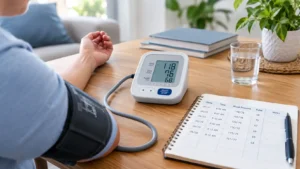
Tracking your numbers with a home blood pressure monitor at the same time each day gives you and your care team the clearest picture of how well your treatment plan is working.
Warning Signs Your Blood Pressure Is Affecting Your Kidneys
Kidney damage from high blood pressure often develops silently, but a few warning signs are worth watching for:
- Swelling in the legs, ankles, feet, or around the eyes
- Foamy or bubbly urine, which can indicate protein leaking into the urine
- Persistent fatigue or difficulty concentrating
- Noticeable changes in how often you urinate
- Blood pressure readings that stay elevated despite taking medication as prescribed
If you notice any of these signs, it is worth having your kidney function checked rather than waiting for your next scheduled visit.
Lifestyle Strategies That Lower Blood Pressure and Protect Kidney Function
For most patients, lifestyle changes are the foundation of blood pressure control, and our kidney disease care and prevention program is built around these same principles:
- Reduce sodium intake to under 2,300 mg per day, and closer to 1,500 mg if you already have kidney disease
- Follow a DASH-style eating pattern rich in vegetables, fruit, and lean protein
- Aim for at least 150 minutes of moderate physical activity per week, as approved by your physician
- Reach and maintain a healthy weight
- Limit alcohol and avoid smoking, both of which raise blood pressure and strain the kidneys
- Manage stress through sleep, routine, and relaxation techniques
- Keep a home blood pressure log to share with your care team at every visit
Sample Kidney-Friendly Meal Ideas
A DASH-style, kidney-friendly day might look like: oatmeal with fresh berries and low-sodium nut butter for breakfast; a grilled chicken salad with olive oil and lemon (skip the salted dressing) for lunch; and baked salmon with roasted vegetables and a small serving of brown rice for dinner. Simple swaps make a real difference: choose fresh or frozen produce over canned, rinse canned beans to reduce sodium, season with herbs and citrus instead of salt, and check labels for hidden sodium in breads, sauces, and deli meats. If you are managing more advanced CKD, ask your renal dietitian about potassium and phosphorus limits as well, since those needs can differ from general heart-healthy advice.
These changes work best when paired with regular monitoring and, for many patients, medication.
Medical Management: Medications and Monitoring
When lifestyle changes are not enough on their own, medication becomes an important part of protecting kidney function. ACE inhibitors and ARBs are usually the first choice for patients with kidney disease because they lower blood pressure while also reducing pressure inside the kidney’s filtering units, offering protection beyond blood pressure control alone. Diuretics, calcium channel blockers, and other medications may be added depending on your individual case. Alongside medication, our hypertension management program includes regular lab work, such as eGFR and urine albumin-to-creatinine ratio (ACR) testing, so we can track kidney function over time and adjust treatment before small problems become serious ones.
ACE Inhibitors vs. ARBs: What’s the Difference
ACE inhibitors and ARBs (angiotensin receptor blockers) both relax blood vessels and lower blood pressure, and both offer extra protection to the kidneys by reducing pressure inside the filtering units themselves. The main practical difference is side effects: ACE inhibitors can cause a persistent dry cough in some patients, and if that happens, switching to an ARB often resolves it while providing similar kidney-protective benefits. Your nephrologist will typically start with one class, monitor your potassium and kidney function with follow-up labs, and adjust the dose or switch classes based on how you respond.
The Diabetes-Blood Pressure-Kidney Triangle
High blood pressure rarely travels alone. It frequently occurs alongside diabetes, and the two conditions compound each other’s effect on the kidneys. If you are managing both conditions, tighter blood pressure control is even more important. Our team offers dedicated diabetic kidney disease care that coordinates blood sugar and blood pressure management in a single treatment plan. For a deeper look at that connection, see our full guide to the link between diabetes and kidney disease.
When to See a Nephrologist
Talk with your primary care provider about a referral to our nephrology team if you experience any of the following:
- Blood pressure that stays above your target despite taking two or more medications
- Protein or blood detected in your urine
- A declining eGFR on routine bloodwork
- A family history of kidney disease combined with high blood pressure
- Diabetes and high blood pressure occurring together
Not sure whether your numbers warrant a specialist visit? Schedule a consultation with our nephrology team in Ardmore, Ada, or Gainesville, and we will help you interpret your readings and labs. Southern Oklahoma Kidney Center’s nephrologists coordinate hypertension, diabetes, and kidney care under one roof for patients throughout Ardmore, Ada, and Gainesville, so you are not left piecing advice together from multiple offices.
Frequently Asked Questions
Can lowering blood pressure reverse kidney damage?
Lowering blood pressure will not reverse existing scarring, but it can slow or stop further decline and protect the kidney function you still have.
What blood pressure is too high for kidneys?
Readings that stay at or above 140/90 mmHg are considered high risk for kidney damage; most nephrologists recommend a target below 130/80 mmHg for patients with kidney disease.
Does drinking more water lower blood pressure and protect the kidneys?
Staying properly hydrated supports kidney function, but water intake should be balanced for your specific condition; patients with advanced CKD may need fluid limits, so ask your care team what is right for you.
How often should CKD patients check their blood pressure at home?
Most nephrologists recommend daily home monitoring at the same time each day, with results brought to every clinic visit.
Is high blood pressure a cause or a symptom of kidney disease?
It can be both. High blood pressure can cause kidney damage, and kidney disease can also cause blood pressure to rise, which is why the two conditions are treated together.
Protecting your kidneys starts with knowing your numbers and having a care team that treats blood pressure and kidney health together. Schedule a consultation with Southern Oklahoma Kidney Center in Ardmore, Ada, or Gainesville, and let our nephrologists help you build a plan to protect your kidney function for years to come.