


Walk down any supplement aisle and you will see bottles promising “kidney support,” “detox” or “natural cleansing.” None of those labels needed FDA approval before reaching the shelf. In the United States, supplements do not have to prove they are safe or effective before they are sold.
For people with healthy kidneys, many supplements are harmless. For people with chronic kidney disease, the same pill can build up to toxic levels, raise potassium, form crystals or interfere with transplant medicines. The kidneys are the body’s filter, and when the filter slows down, everything you swallow stays longer.
This guide sorts common supplements into three groups: often helpful when prescribed, use only with guidance, and best avoided.
Why Kidney Disease Changes the Supplement Rules
- Slower clearance: minerals and fat-soluble vitamins build up as eGFR falls.
- Electrolyte limits: potassium, phosphorus and magnesium can reach dangerous levels.
- Drug interactions: some herbs change levels of blood pressure, diabetes and anti-rejection drugs.
- Direct kidney toxins: a few herbs damage kidney tissue outright.
- False lab results: some products distort creatinine or other tests, which can lead to wrong treatment decisions.
Prescription drugs carry risks too. Our kidney medication safety tips cover the common ones.
Supplements That Are Often Safe or Helpful (When Your Doctor Recommends Them)
Vitamin D
Low vitamin D is common in CKD and contributes to bone and mineral problems. Your doctor checks a 25-hydroxy vitamin D level and may prescribe cholecalciferol or ergocalciferol. In later stages, an active form such as calcitriol may be needed, and that is prescription only. Learn more about how CKD causes bone disorders.
Renal Multivitamins (B Complex With Low-Dose Vitamin C)
Dialysis removes water-soluble vitamins. Renal vitamins replace B vitamins and folic acid with a small, safe dose of vitamin C, and they leave out vitamin A and minerals that build up in CKD. A standard drugstore multivitamin is not the same thing.
Iron
Iron deficiency is a major cause of anemia in CKD. Oral iron helps some patients. Others need IV iron. Take iron only when labs show you need it, and separate it from phosphate binders by a few hours. Our guide to managing anemia in CKD explains the full plan.
Omega-3 Fish Oil
Fish oil is generally well tolerated in CKD and can lower triglycerides. It may increase bleeding risk with blood thinners, so tell your doctor if you take one.
Fiber Supplements
Psyllium can help constipation, a common problem with phosphate binders and fluid limits. Avoid fiber products with added potassium or magnesium.
Supplements to Use Only With Kidney Doctor Guidance
| Supplement | Concern in CKD | Practical Guidance |
| Magnesium (supplements, laxatives, antacids) | Builds up when eGFR is low | Use only if your level is low and your doctor approves |
| Calcium | Can add to vessel calcification | Prefer food sources unless prescribed |
| Vitamin C over 250 mg a day | Turns into oxalate, which can form stones or crystals in kidney tissue | Keep doses low; use renal vitamins |
| Protein powders | Extra protein load on damaged kidneys; some contain potassium or phosphorus | Follow your dietitian’s protein target |
| Probiotics | Limited evidence in CKD; generally low risk | Avoid in people with weak immune systems, such as transplant recipients, unless approved |
| Biotin (high-dose) | Interferes with many lab tests, including thyroid and heart tests | Tell the lab and stop before blood work if advised |
Vitamin C and oxalate also matter for stone formers. See our guide on kidney stone prevention and treatment options.
Supplements and Herbs to Avoid With Kidney Disease
| Product | Main Risk | Who Is Most at Risk |
| Potassium supplements and potassium-based salt substitutes | Dangerous high potassium and heart rhythm problems | CKD stage 3 and beyond, people on ACE inhibitors, ARBs or finerenone |
| Creatine | Raises blood creatinine and makes kidney function look worse; possible strain on damaged kidneys | Anyone with CKD or a kidney transplant |
| High-dose turmeric or curcumin | High oxalate; interacts with blood thinners | Stone formers, people on anticoagulants |
| Licorice root | High blood pressure, low potassium, fluid retention | People with hypertension or heart failure |
| St. John’s wort | Lowers levels of tacrolimus and cyclosporine, raising rejection risk | Kidney transplant recipients |
| Aristolochic acid (in some imported herbal blends) | Severe kidney scarring and urinary tract cancer | Everyone |
| Noni juice, alfalfa, nettle, dandelion | High potassium or diuretic effects | CKD stage 3 and beyond, dialysis patients |
| Bodybuilding or “male enhancement” products | May contain hidden steroids or stimulants | Everyone |
| Vitamin A (high dose) | Builds up and becomes toxic in CKD | CKD stages 4 and 5, dialysis |
Herbal products are a large topic on their own. Read herbal medicine and kidney health for a closer look.
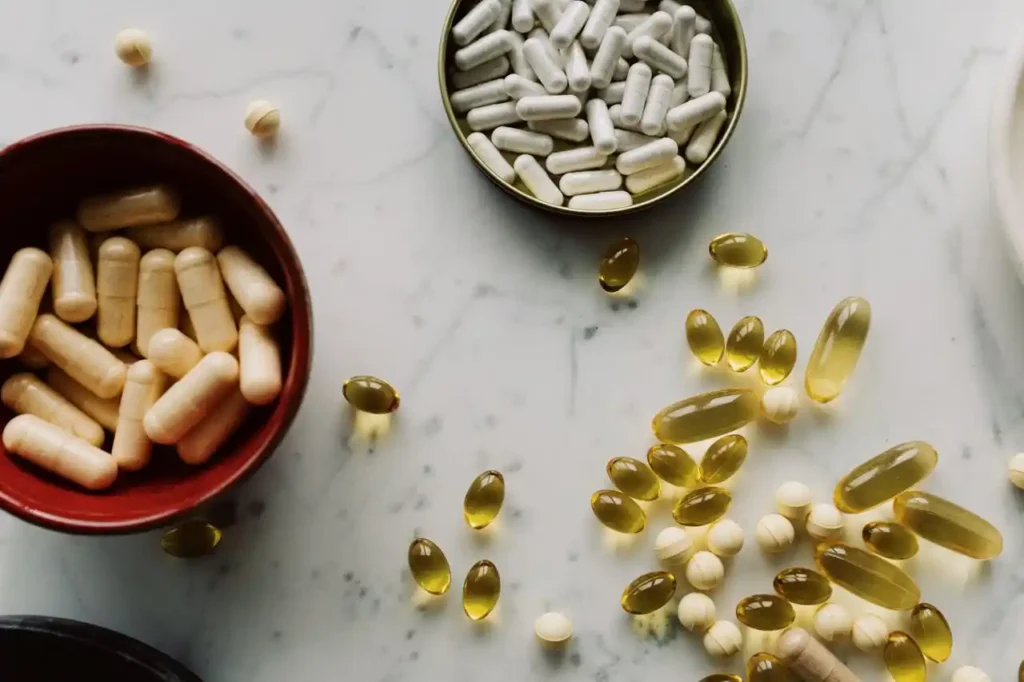
A Word on “Kidney Cleanse” Products
Healthy kidneys clean themselves. No pill or tea flushes toxins in a way that slows CKD. Many cleanse products contain diuretic herbs, high doses of vitamin C or potassium, which is the opposite of what a damaged kidney needs.
Supplement Safety by CKD Stage
| Stage | General Rule | Extra Cautions |
| Stages 1 and 2 (eGFR 60 or above) | Most standard-dose vitamins are fine | Avoid nephrotoxic herbs and high-dose vitamin C |
| Stage 3 (eGFR 30 to 59) | Review every supplement with your nephrologist | Watch potassium, magnesium and creatine |
| Stages 4 and 5 (eGFR under 30) | Only supplements your kidney team approves | Avoid vitamin A, potassium, magnesium and phosphorus additives |
| Dialysis | Renal vitamin, vitamin D and iron as prescribed | Strict potassium and phosphorus limits |
| Kidney transplant | Ask before any herb or supplement | Interactions with anti-rejection drugs |
How to Check a Supplement Before You Buy It
- Look for a third-party seal such as USP Verified or NSF Certified. It confirms the label matches the contents, not that the product is safe for kidneys.
- Read the full ingredient list for potassium, magnesium, phosphorus, vitamin A and herbal blends.
- Skip “proprietary blends” that hide doses.
- Avoid products that promise to cure, detox or reverse kidney disease.
- Bring the bottle to your next visit before you start taking it.
The Brown Bag Review
Put every pill, vitamin, powder, tea and cream you use into a bag and bring it to your appointment. Patients are often surprised by what turns up: duplicate vitamins, hidden potassium or an herbal tea with licorice. This simple step catches problems that a medicine list misses.
Local Factors in Southern Oklahoma and North Texas
| Local Factor | Risk | Practical Step |
| Supplements sold at gas stations, feed stores and online | Unregulated stimulants, hidden drugs | Buy from pharmacies with third-party tested brands |
| Traditional and family herbal remedies | Unknown potassium or kidney toxin content | Share all remedies with your care team without worry of judgment |
| Hot summers and outdoor work | Energy drinks and pre-workout products plus dehydration | Choose water first; avoid stimulant blends |
| Long distances to clinics | Supplement changes go unreviewed for months | Use the patient portal or a phone call to check before starting |
Food First: What Works Better Than Most Supplements
A well-planned renal diet delivers most of the nutrients you need without the dose risks of pills. A dietitian tailors potassium, phosphorus, sodium and protein to your labs. Read how a renal diet supports better kidney health and how renal dietitians help in kidney care.
Frequently Asked Questions
Is it safe to take a regular multivitamin with CKD?
In early stages, usually yes. In stages 4 and 5 or on dialysis, switch to a renal vitamin because standard multivitamins contain vitamin A and minerals that build up.
Can I take creatine if I work out?
Not if you have CKD or a transplant. It raises creatinine, which hides your true kidney function, and it may add strain. Our CKD exercise guidelines offer safer ways to build strength.
Are “kidney support” supplements worth trying?
No product sold as kidney support has proof that it slows CKD. Proven treatments such as blood pressure control, SGLT2 inhibitors and diet changes work far better.
What about cranberry for urinary tract infections?
Cranberry juice in moderation is fine for most people. Concentrated cranberry pills can be high in oxalate, so stone formers should ask first.
Get a Supplement Review From Your Kidney Team
Before adding any vitamin, herb or powder, talk to your nephrologist. A five-minute review can prevent a hospital stay. Southern Oklahoma Kidney Center includes supplement and medicine reviews as part of chronic kidney disease management.
See us in Ardmore, Gainesville or at our Ada, Oklahoma kidney clinic. Call (580) 223-8614 or book your appointment and bring your brown bag.
This article is for education only and does not replace advice from your own doctor. Do not stop prescribed supplements without talking to your care team.