
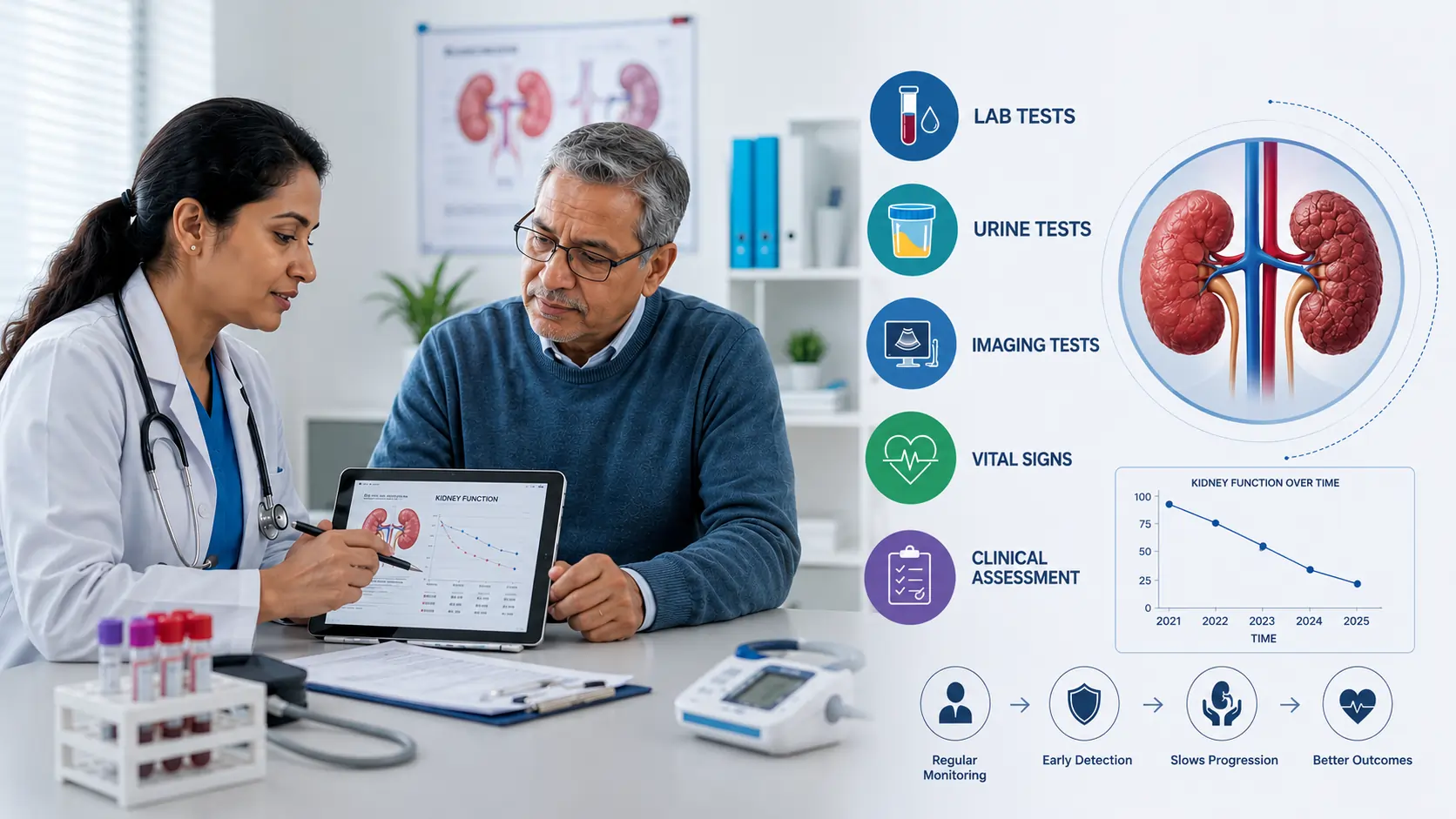

Southern Oklahoma Kidney Center plays an important role in helping patients understand how kidney disease progression is tracked over time, especially when kidney function begins to change slowly. Monitoring is not based on one test. It is a continuous process that combines lab work, symptoms, and long-term clinical patterns. In the U.S, this approach helps doctors detect decline early and adjust care before complications become severe.
How Do Doctors Track Kidney Disease Progression Over Time?
Doctors track kidney disease progression using a combination of blood tests, urine tests, and clinical history. The most important marker is estimated glomerular filtration rate, often called eGFR. It shows how well the kidneys filter waste from the blood.
Another key tool is urine albumin testing, which checks protein leakage. Changes in these values over time help doctors understand whether kidney function is stable or declining.
What Role Does eGFR Play in Monitoring Kidney Function?
eGFR is one of the most reliable indicators of kidney disease progression. It estimates how many milliliters of blood the kidneys filter each minute. A declining eGFR suggests worsening kidney function.
Doctors do not rely on a single reading. They observe trends over months or years. Small drops may not mean immediate danger, but a steady decline signals that the kidneys are under stress and need closer management.
Why is Urine Testing Important in Kidney Monitoring?
Urine testing helps detect early kidney damage, sometimes even before symptoms appear. Protein in urine, especially albumin, is a warning sign of kidney disease progression.
When kidneys are healthy, they keep protein in the blood. When damage begins, protein leaks into urine. This change helps doctors understand the severity of the condition and decide on early treatment adjustments.
How Often Do Doctors Monitor Kidney Function?
The frequency of monitoring depends on the disease stage. Early stages may require testing every few months. Advanced stages need more frequent checks.
In cases of faster kidney disease progression, doctors may schedule monthly or even bi-weekly assessments. This helps catch changes early and adjust medications, diet plans, or treatment strategies before complications develop.
What Symptoms Do Doctors Watch During Follow-Ups?
Lab results are important, but symptoms also guide monitoring. Doctors look for fatigue, swelling, changes in urination, and appetite loss.
These signs often appear as kidney disease progression continues. Some patients may also notice difficulty concentrating or sleep disturbances. These changes help doctors understand how kidney decline is affecting daily life, not just lab numbers.
How Do Blood Pressure and Diabetes Affect Progression?
High blood pressure and diabetes are two major drivers of kidney disease progression. They damage blood vessels in the kidneys over time, reducing filtering ability.
Doctors closely monitor both conditions during kidney care visits. Controlling blood pressure and blood sugar slows damage. Even small improvements in these areas can help preserve kidney function longer.

What Imaging Tests are Used in Kidney Monitoring?
Sometimes doctors use imaging tests like an ultrasound to evaluate kidney size and structure. These tests do not directly measure kidney disease progression, but they provide useful context.
Shrinking kidneys or structural changes may indicate long-term damage. Imaging helps rule out blockages, cysts, or other conditions that could worsen kidney health if left untreated.
How Do Doctors Stage Kidney Disease?
Kidney disease is divided into five stages based on eGFR levels. Early stages show mild decline, while stage five indicates severe loss of function.
Tracking kidney disease progression through stages helps doctors plan treatment. It also helps patients understand where they stand and what changes may be needed in daily habits or medical care.
How Does Southern Oklahoma Kidney Center Support Monitoring?
Southern Oklahoma Kidney Center provides structured care for patients at different stages of kidney disease. Monitoring is continuous and personalized, focusing on lab trends, symptoms, and risk factors.
The goal is not only to track decline but also to slow it. Patients receive guidance on medications, diet, and follow-up schedules based on their specific condition and health needs.
Why is Early Detection of Changes so Important?
Early detection allows doctors to respond before damage becomes permanent. Once kidney disease progression reaches advanced stages, treatment becomes more focused on managing complications rather than preserving function.
Routine testing helps identify small changes early. This gives patients a better chance of maintaining kidney function and avoiding sudden health declines.
What Should Patients Expect During Regular Monitoring Visits?
During visits, doctors review blood tests, urine results, and symptoms. They may adjust medications or recommend lifestyle changes depending on results.
Monitoring kidney disease progression is not a one-time process. It is ongoing. Over time, patients become more familiar with their numbers and understand how daily choices affect kidney health.
How Does Monitoring Improve Long-Term Kidney Care?
Tracking kidney disease progression allows doctors to respond early, adjust treatment, and reduce complications over time. It turns kidney care into a proactive process rather than a reactive one.
With consistent monitoring and medical support, patients can maintain stability longer. Southern Oklahoma Kidney Center continues to guide patients through each stage with careful evaluation and steady, informed care.