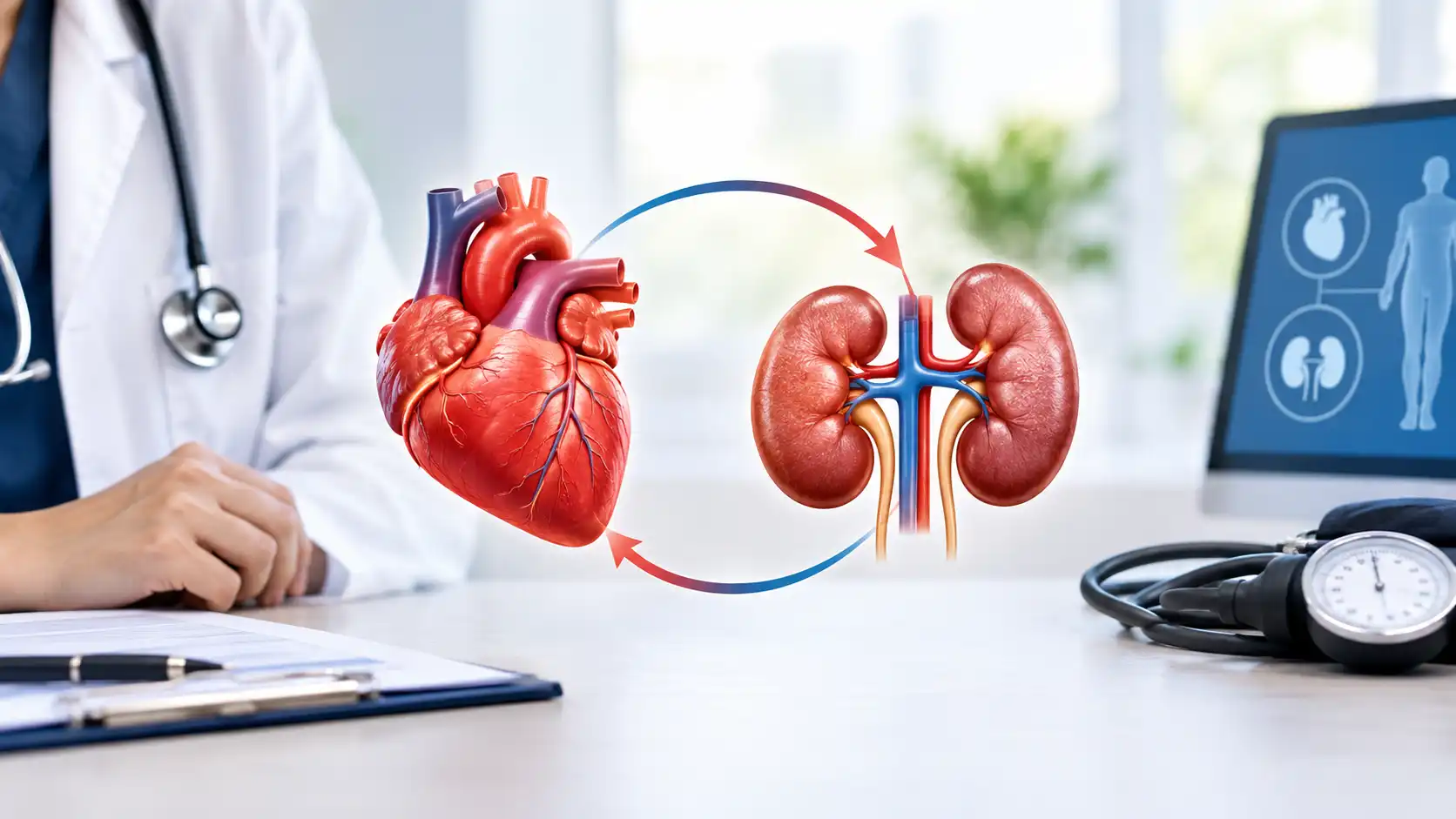

Your heart and kidneys work as a pair. The heart pumps blood to the kidneys, and the kidneys decide how much salt and water stay in that blood. When one struggles, the other gets pulled down with it.
That link is why people with chronic kidney disease are more likely to die from heart disease than to ever need dialysis. It also explains why a large share of people hospitalized for heart failure also have reduced kidney function. Treating one organ while ignoring the other rarely works.
This guide explains how the connection works, which treatments help both organs, and what you can do at home to stay out of the hospital.
How the Heart and Kidneys Affect Each Other
When the Heart Weakens
A weak heart pumps less blood forward. The kidneys sense low flow and respond by holding on to salt and water. That extra fluid raises pressure in the veins, including the veins leaving the kidneys, which further reduces kidney filtering. The result is swelling, breathlessness, and rising creatinine.
When the Kidneys Weaken
Damaged kidneys cannot clear salt and fluid well, so blood volume rises and the heart works harder. CKD also causes anemia, high blood pressure, stiff arteries, and high phosphorus, all of which strain the heart muscle over time. Our article on the dangerous connection between hypertension and kidney disease covers the blood pressure side of this loop.
The Five Types of Cardiorenal Syndrome
Doctors use the term cardiorenal syndrome when heart and kidney problems drive each other. There are five recognized types.
| Type | What Happens | Example |
| Type 1: Acute cardiorenal | Sudden heart failure causes acute kidney injury | Heart attack or fluid overload leads to rapid creatinine rise |
| Type 2: Chronic cardiorenal | Long-term heart failure slowly damages kidneys | Years of reduced heart pumping lead to CKD |
| Type 3: Acute renocardiac | Sudden kidney injury strains the heart | Kidney injury causes fluid overload or high potassium |
| Type 4: Chronic renocardiac | CKD slowly damages the heart | CKD causes thickened heart muscle and heart failure |
| Type 5: Secondary | A body-wide illness hits both organs | Sepsis, diabetes, or lupus |
Type 1 is one of the most common reasons for sudden kidney injury in hospitals. Learn how our team handles acute kidney injury when it happens.
Shared Risk Factors
- Type 2 diabetes
- High blood pressure
- Obesity
- Smoking
- High cholesterol
- Older age
Diabetes is the most powerful link. Protecting the kidneys in diabetes, as covered in our diabetic kidney disease protection guide, also protects the heart.
Warning Signs That Need Attention
Heart failure and worsening CKD share many symptoms. Call your care team if you notice:
- Weight gain of 2 to 3 pounds in one day or 5 pounds in a week
- New or worse swelling in legs, ankles, or belly
- Shortness of breath when lying flat or waking up breathless
- Needing more pillows to sleep
- Much less urine than usual
- Dizziness, confusion, or a racing or irregular heartbeat
Chest pain, severe breathlessness, or fainting need 911, not a phone call to the clinic.
Treatments That Protect Both Organs
The last decade changed heart and kidney care. Several drug classes now protect both at once.
| Medicine Class | Heart Benefit | Kidney Benefit | What to Watch |
| SGLT2 inhibitors (dapagliflozin, empagliflozin) | Fewer heart failure hospital stays | Slower eGFR decline, less albuminuria | Genital infections, dehydration on sick days |
| ACE inhibitors or ARBs | Lower blood pressure, better heart remodeling | Less protein leak | Potassium, small creatinine rise |
| Sacubitril/valsartan | Lower heart failure death and hospitalization | Slower eGFR decline in some studies | Low blood pressure, potassium |
| Mineralocorticoid receptor antagonists (spironolactone, finerenone) | Fewer heart failure events | Finerenone slows CKD in type 2 diabetes | High potassium |
| Loop diuretics | Relieve fluid overload | Help manage volume | Dehydration, electrolyte shifts |
The Creatinine Bump Is Often Expected
Here is the catch that scares many patients. When you start an ACE inhibitor, ARB, or SGLT2 inhibitor, creatinine often rises a little in the first few weeks. A rise of up to about 30 percent is usually a sign the drug is lowering pressure inside the kidney filters, which protects them long term. Do not stop these medicines on your own. Your nephrologist will decide whether the change is expected.

Potassium Balance
Many heart and kidney medicines raise potassium. Newer potassium binders let people stay on these protective drugs. Learn the signs of electrolyte imbalance in kidney disease so you know when to call.
Anemia and Iron
Low iron and anemia make heart failure symptoms worse. Treating iron deficiency, sometimes with IV iron, can improve energy and exercise tolerance. See our guide on anemia in chronic kidney disease.
Daily Self-Care Plan for Heart and Kidney Patients
- Weigh yourself every morning: After using the bathroom, before breakfast, same scale.
- Keep sodium under 2,000 mg daily: Most sodium comes from packaged and restaurant foods.
- Follow your fluid target: Many people with advanced disease are asked to stay near 1.5 to 2 liters daily.
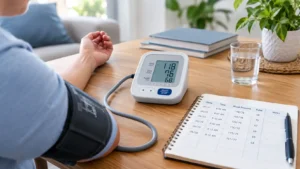
- Check blood pressure at home: Record readings for your visits.
- Take medicines on schedule: Use a pill box and set reminders.
- Know your sick-day rules: During vomiting, diarrhea, or fever, some medicines such as SGLT2 inhibitors, diuretics, and ACE inhibitors may need a short pause. Ask your doctor for written instructions.
- Avoid NSAIDs: Ibuprofen and naproxen worsen fluid retention and kidney function.
Our medication safety tips list other over-the-counter products to avoid.
Food and Activity
A heart-healthy diet and a kidney-healthy diet overlap more than most people think: less salt, fewer processed meats, more vegetables, and controlled portions. The differences show up in potassium and phosphorus, which depend on your labs. Our article on the role of nutrition in kidney health explains how to balance them.
Movement matters too. Short daily walks, light strength work, and cardiac rehab when offered all improve stamina. Read how exercise supports kidney health for safe starting points.
Why Coordinated Care Matters in Rural Oklahoma and Texas
Many patients in Carter, Pontotoc, and Cooke counties see a cardiologist in one town and a primary doctor in another. Medicines get started by one doctor and stopped by another. Lab results do not always travel. Our nephrologists share labs and plans with your cardiologist so diuretic doses, potassium levels, and blood pressure targets line up. Fewer mixed messages mean fewer hospital stays.
Frequently Asked Questions
Can kidney disease cause heart failure?
Yes. CKD raises blood pressure, fluid volume, and anemia, all of which strain the heart and can lead to heart failure over time.
Can heart failure damage the kidneys?
Yes. Reduced blood flow and congestion in kidney veins lower kidney function. This is called cardiorenal syndrome.
Is it safe to take heart medicines with CKD?
Most heart failure medicines are safe with dose adjustments and lab monitoring. Several actually protect the kidneys.
Why is my BNP high if my heart feels fine?
BNP levels run higher in CKD because the kidneys clear it more slowly. Your doctor reads BNP alongside your kidney function.
Get Heart and Kidney Care That Works Together
Southern Oklahoma Kidney Center coordinates chronic kidney disease management with your cardiology team for patients in Ardmore, Ada, and Gainesville. To review your medicines and build a plan that protects both organs, schedule an appointment or call (580) 223-8614.
This article is for education only and does not replace advice from your own physician.