
Southern Oklahoma Kidney Center helps patients understand how long-term blood pressure problems affect kidney health in real, practical ways. When high blood pressure damages the body over time, the kidneys are often one of the first organs to feel the impact. The process is slow, almost quiet at the start, and many people in the U.S do not notice it until routine testing shows changes.
Blood pressure is not just a heart issue. It is a full-body issue. The kidneys depend on steady blood flow to filter waste properly, and that balance is what gets disrupted.
How Does High Blood Pressure Damage Kidney Blood Vessels?
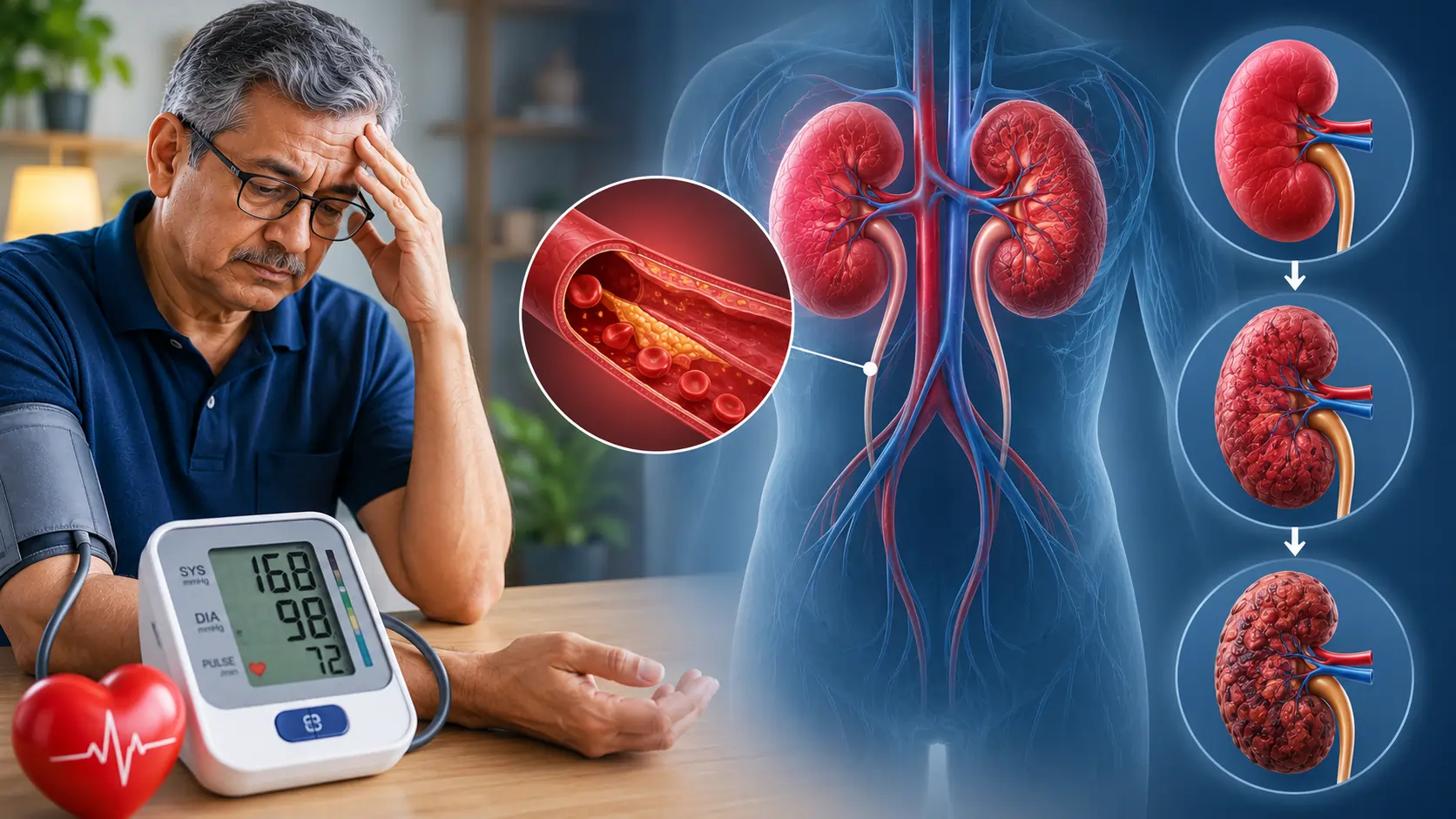
When high blood pressure damages the body, it first targets the small blood vessels inside the kidneys. These vessels are delicate and are responsible for filtering waste from the blood. Constant pressure slowly weakens them.
Over time, the walls become thicker and less flexible. Blood flow reduces, and the filtering process becomes less efficient. You might not feel anything at first. But inside, the kidneys are working harder than they should, a little at a time.
Why Are Kidneys so Sensitive to Blood Pressure Changes?
Kidneys rely on steady pressure to clean the blood. If the pressure is too high, it forces the vessels to work beyond their natural capacity.
This is where high blood pressure damages kidney function in a gradual way. The filtering units, called nephrons, begin to lose efficiency. There is no sudden failure in most cases. It is a slow decline, often detected through lab tests before symptoms appear.
What Early Signs Show Kidney Strain From High Blood Pressure?
Early signs are often subtle. Mild swelling in the feet, tiredness that does not fully explain itself, or slight changes in urination patterns can appear.
Sometimes there is nothing obvious at all. That is the tricky part. When high blood pressure damages the kidneys in the early stages, symptoms stay hidden. Routine blood and urine tests are usually the only way to detect it early.
How Do Doctors Detect Kidney Damage Early?
Doctors use blood tests like eGFR and creatinine levels to check kidney performance. Urine tests are also important, especially for detecting protein leakage.
When high blood pressure damages kidney filters, protein may start appearing in urine. This is one of the earliest warning signs. It helps doctors adjust treatment before a more serious decline happens.
How Does Uncontrolled Blood Pressure Speed Up Kidney Decline?
Uncontrolled blood pressure keeps pushing force through already stressed kidney vessels. This repeated pressure causes ongoing injury.
Over time, high blood pressure damages kidney structure more deeply, reducing the ability to filter waste and balance fluids. It becomes a cycle. The worse the pressure, the faster the kidneys weaken, if not managed properly.
What Complications Can Develop Over Time?
As kidney function declines, waste starts building up in the body. This can lead to swelling, fatigue, and difficulty maintaining fluid balance.
In advanced cases, anemia and bone changes may occur. When high blood pressure damages the kidneys long enough, the risk of chronic kidney disease increases significantly, sometimes leading to end-stage kidney disease.

Can Kidney Damage From High Blood Pressure Be Slowed?
Yes, in many cases, it can be slowed. The key is consistent blood pressure control and regular monitoring.
Lifestyle changes, medication adherence, and dietary adjustments help reduce stress on the kidneys. When high blood pressure damage is caught early, doctors can often slow the progression significantly with proper care planning.
What Role Does Diet Play in Kidney Protection?
Diet plays a steady, practical role. Lowering sodium intake helps reduce blood pressure levels. Balanced hydration also supports kidney function.
Small choices matter more than dramatic changes. When managing how high blood pressure damages the kidneys, consistency in food habits becomes important over time. It is less about strict rules and more about balance.
How Often Should Kidney Function Be Checked?
Frequency depends on how stable blood pressure and kidney function are. Some patients need testing every few months, while others require more frequent checks.
Regular monitoring helps track early changes. When high blood pressure damages the kidneys, small shifts in lab results often appear before symptoms develop, making routine testing essential.
How Does Southern Oklahoma Kidney Center Support Patients?
Southern Oklahoma Kidney Center provides ongoing kidney care focused on early detection and long-term management of blood pressure-related kidney conditions. The approach is structured, but still personal.
Patients are guided through testing, lifestyle understanding, and treatment planning. The goal is to slow how high blood pressure damages kidney function and maintain stability for as long as possible.
Why is Early Control So Important?
Early control gives the best chance of protecting kidney function. Once damage becomes advanced, treatment focuses more on managing symptoms than reversing decline.
When high blood pressure damages the kidneys early on, timely action can make a real difference. It allows doctors to adjust treatment before permanent changes set in.
What Should Patients Expect Long-Term?
Kidney health linked to blood pressure is not fixed. It changes over time. Some people stay stable for years with proper care, while others need more frequent monitoring.
The key is consistency. Regular follow-ups, medication, and lifestyle awareness all work together to reduce how high blood pressure damages the kidneys over the long run.
How Can Kidney Damage From High Blood Pressure Be Managed?
When high blood pressure damages the kidneys, the process is slow but serious. Early detection and steady management are the most effective ways to protect kidney function.
Southern Oklahoma Kidney Center continues to support patients across the U.S with careful monitoring, clear guidance, and long-term kidney care planning. With the right approach, progression can often be slowed, and kidney health can be better preserved over time.