
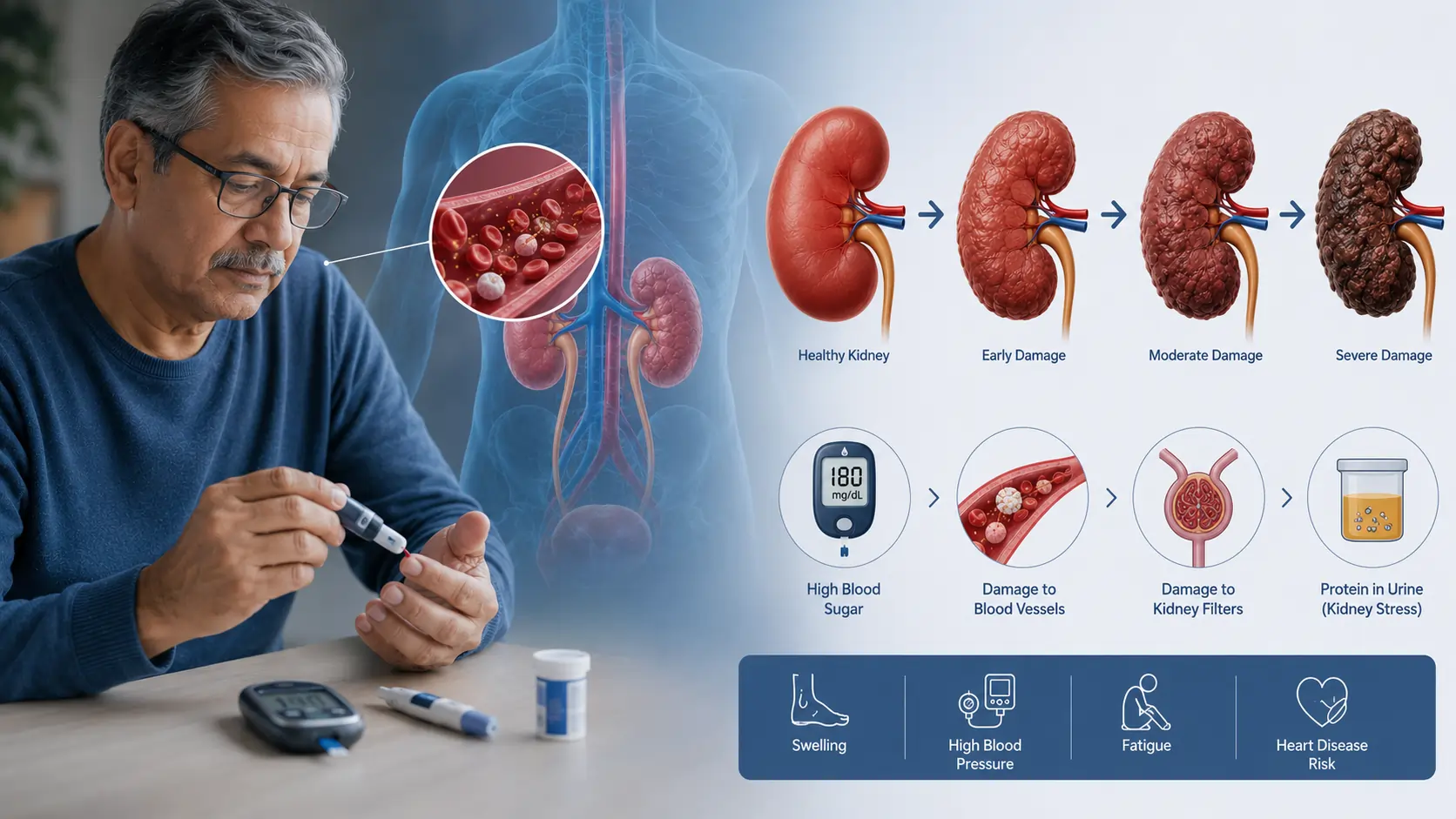

Southern Oklahoma Kidney Center supports patients who are dealing with long-term kidney conditions linked to diabetes. When diabetes affects the body over many years, the kidneys slowly come under strain. It does not usually happen overnight. It builds quietly, little by little, until changes in kidney function start to show in blood tests and daily health patterns.
In the U.S, this connection between diabetes and kidney damage is one of the most common causes of chronic kidney disease. The process is slow, but it is steady, and that is where careful monitoring matters.
How Does Diabetes Affect Kidney Function Over Time?
When diabetes affects the kidneys, high blood sugar begins to damage small blood vessels inside them. These vessels are responsible for filtering waste from the blood. Over time, they weaken and stop working properly.
At first, there was no clear pain or warning. But inside, the filtering system becomes less efficient. Waste starts building up. It is a slow shift, almost silent, and many people only notice it after routine lab tests.
Why Does High Blood Sugar Harm The Kidneys?
High blood sugar places constant pressure on the kidneys. The filtering units, called nephrons, work harder than normal. Bit by bit, this extra workload causes damage.
When diabetes affects kidney health in this way, the blood vessels become thickened and less flexible. You might think of it like a filter that slowly gets clogged. It still works for a while, but not as well as before.
What Early Signs Appear When Kidneys Are Affected?
Early signs are often mild and easy to ignore. Some people feel more tired than usual. Others notice swelling in the feet or changes in urination patterns.
Protein in the urine is another early signal. It is not something you can see without a test. It is found during routine checkups. And it often appears before more serious symptoms develop.
How Do Doctors Detect Kidney Damage Early?
Doctors use blood and urine tests to track kidney function. The estimated glomerular filtration rate, or eGFR, is one of the main markers. It shows how well the kidneys are filtering waste.
When diabetes affects kidney function, doctors also check urine albumin levels. This helps detect protein leakage early. These tests together give a clearer picture of kidney health over time.
What is Diabetic Kidney Disease?
Diabetic kidney disease is a long-term condition where kidney function slowly declines due to diabetes. It is also called diabetic nephropathy.
This condition develops gradually. You might not feel anything in the beginning. But over time, kidney filtering weakens. Waste builds up. And the body starts showing signs that something is not working properly.
How Does Blood Pressure Connect to Kidney Damage?
High blood pressure and diabetes often work together to damage the kidneys. When blood pressure is high, it pushes more force through already weakened blood vessels.
When diabetes affects the kidneys, this added pressure speeds up damage. That is why doctors often treat both conditions at the same time. Controlling blood pressure can slow kidney decline significantly.

Can kidney damage from diabetes be slowed?
Yes, in many cases, it can be slowed. The key is early detection and consistent management. Blood sugar control is the first step.
Doctors may also suggest dietary changes, like reducing sodium and balancing protein intake. Medications can help protect kidney function as well. It is not about one solution. It is about steady, ongoing care.
Why Does Protein in Urine Matter so Much?
Protein in urine, also called albuminuria, is one of the earliest warning signs. Healthy kidneys normally keep protein in the blood.
When diabetes affects the kidney filters, small amounts of protein start leaking into the urine. At first, it may be small. But it signals that damage has already begun inside the kidneys.
How Does Long-Term Diabetes Lead to Kidney Failure?
Over many years, uncontrolled diabetes can cause severe kidney damage. The filtering system becomes too weak to clean the blood properly.
At advanced stages, waste builds up quickly. Fluid balance becomes harder to maintain. Some patients may eventually need dialysis or transplant evaluation. But this progression is usually gradual, not sudden.
What Lifestyle Changes Support Kidney Health?
Simple daily changes can help reduce strain on the kidneys. Managing blood sugar is the most important step. Regular physical activity also supports better circulation and glucose control.
Diet plays a role, too. Lower salt intake and balanced meals help reduce kidney workload. Small, consistent changes often make a real difference over time.
How Does Southern Oklahoma Kidney Center Help Patients?
Southern Oklahoma Kidney Center provides ongoing care for patients dealing with diabetes-related kidney concerns. The focus is on early detection, regular monitoring, and long-term management plans tailored to each patient.
The clinic helps patients understand how diabetes affects kidney function and what steps can slow progression. Care is steady, practical, and based on real clinical monitoring rather than guesswork.
Why Does Early Monitoring Matter So Much in Diabetes?
Early monitoring helps catch kidney changes before they become severe. Once damage becomes advanced, it is harder to reverse.
When diabetes affects kidney health, small changes in lab results can appear years before symptoms. That is why routine testing is so important. It gives doctors time to act early and adjust treatment.
What Should Patients Understand About Diabetes and Kidneys?
When diabetes affects the kidneys, the process is slow but continuous. It does not always show clear warning signs at first. That is why regular care and monitoring are important.
Southern Oklahoma Kidney Center continues to support patients across the U.S with careful evaluation and long-term kidney care. With proper management, many people are able to slow progression and maintain better kidney function for longer periods.