
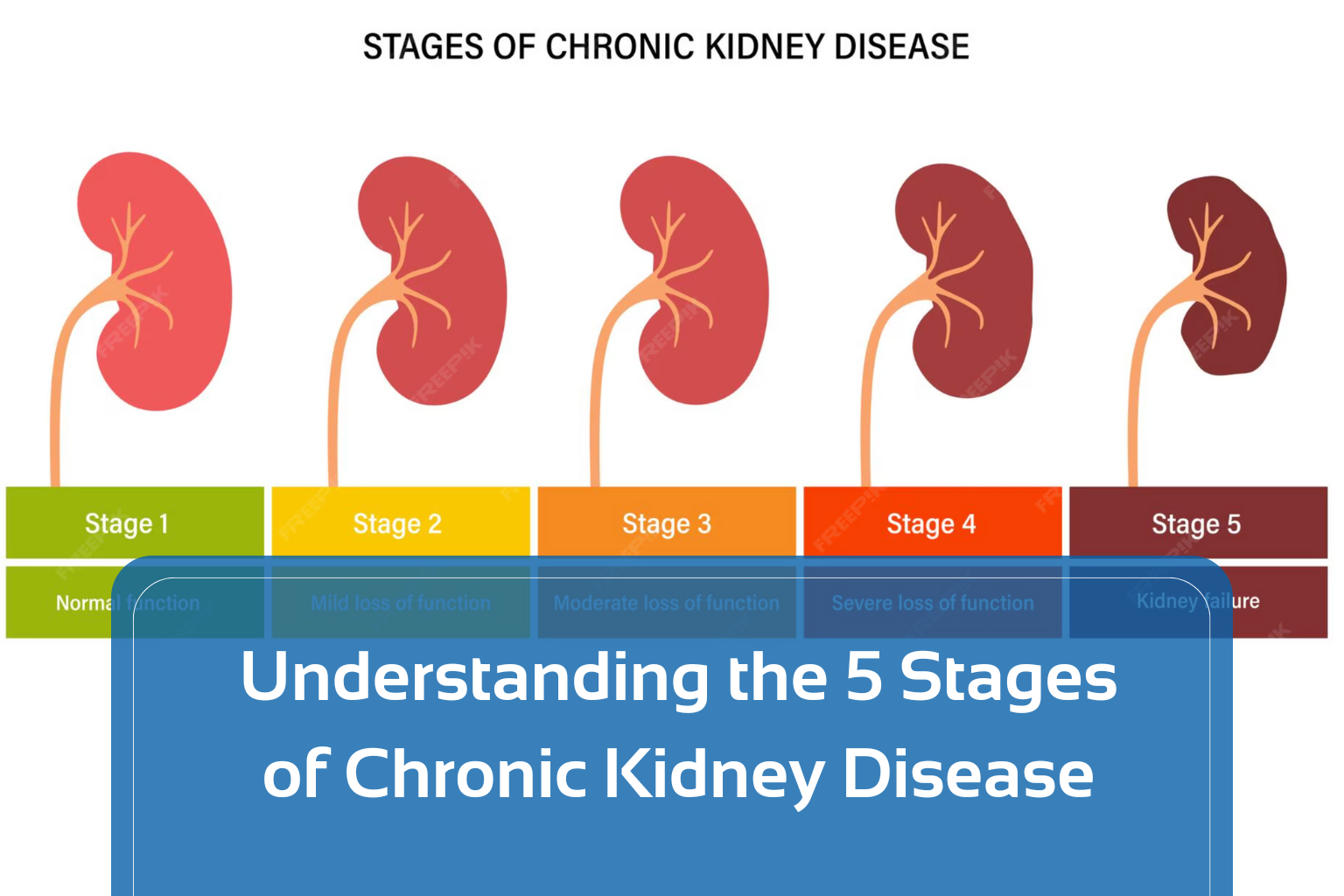

Most likely, when you heard someone say kidney disease stages it was either in the doctor’s office, talking briefly, or watching some late-night health show. Honestly, most of us in Ardmore, OK, and Gainesville, TX don’t think twice about kidneys until something nudges us to, and by then, well, the ball might already be rolling. It’s basically how doctors figure out how well those little bean-shaped filters are working, and how fast they’re slipping. Knowing your spot on that scale. That’s the part that can change what happens next.
How Kidney Disease Stages Guide Treatment Decisions
Doctors use kidney disease stages less like a label and more like a roadmap. It’s how they connect those first early kidney damage signs with bigger issues down the line, like late-stage kidney complications. You’ll see changes, maybe subtle kidney disease symptoms at first, then real kidney function declines. Knowing these renal disease stages builds real kidney health awareness and helps in managing kidney disease progression before it’s too late.
Stage 1 – Almost Normal
At this point, you might not even notice a thing. Your kidneys are still filtering blood well; however, there’s a hint of trouble. Maybe it’s protein in the urine, maybe a few unusual lab results. Most folks in Ardmore, OK, and Gainesville, TX don’t connect these early kidney damage signs with anything serious. Doctors usually suggest lifestyle tweaks and keeping an eye on lab work to protect kidney health awareness before the problem progresses.
Stage 2 – Mild Kidney Function Decline
Here, the numbers on your lab report may dip a bit. Kidney function decline is starting; however, it’s still mild. You may experience some kidney disease symptoms, such as tiredness or ankle swelling, which can be easily ignored, as they are just growing older. When you get that feeling that something is wrong, then this is the time you should insist on getting answers. Managing kidney disease stages here can delay more serious issues down the road for residents in Ardmore, OK, and Gainesville, TX.
Stage 3 – The Wake-Up Call
This is where things get more obvious. Fluid retention might become noticeable. You might see changes in urination or start feeling muscle cramps and general weakness. Doctors split these kidney disease stages into 3A and 3B, depending on lab results. And here’s the thing, you can still slow the slide; nevertheless, it takes a more structured plan: diet changes, regular check-ups, and treatments aimed at protecting the remaining function.
Stage 4 – Serious Trouble Ahead
By this point, the kidneys just aren’t pulling their weight. Filtration’s low, and, honestly, all sorts of late-stage kidney disease symptoms can sneak in, bone pain, high blood pressure, and anemia. You name it. The signs here? They are not the ones you can take lightly anymore. Legs swollen, winded just walking across the room, and that heavy, drained sensation that just does not quit. It is about this time that doctors begin to discuss dialysis or even transplant; however, you are still struggling to hold onto whatever you have left.
Stage 5 – Kidney Failure
When it hits this stage, the kidneys just can’t keep up anymore. Waste starts piling up fast, and you feel it in ways you wish you didn’t. Without treatment, the risk turns deadly. At that point, it’s usually about dialysis or hoping for a transplant match. Hard truth, regardless, if folks understood the earlier kidney disease stages better, maybe fewer would end up here.
Why Early Action Matters
It’s never only about what the lab slip says; it’s how you’re living day to day. Kidney disease stages have this sneaky way of creeping in, almost invisible at first. That’s why spotting kidney disease symptoms early matters. Even little changes, more water, keeping blood pressure in check, can slow things down. And honestly, the sooner you act, the better your odds, especially in Ardmore, OK, and Gainesville, TX. For more on kidney health, SouthernOKC has resources worth checking out before trouble gets bigger than it needs to.