
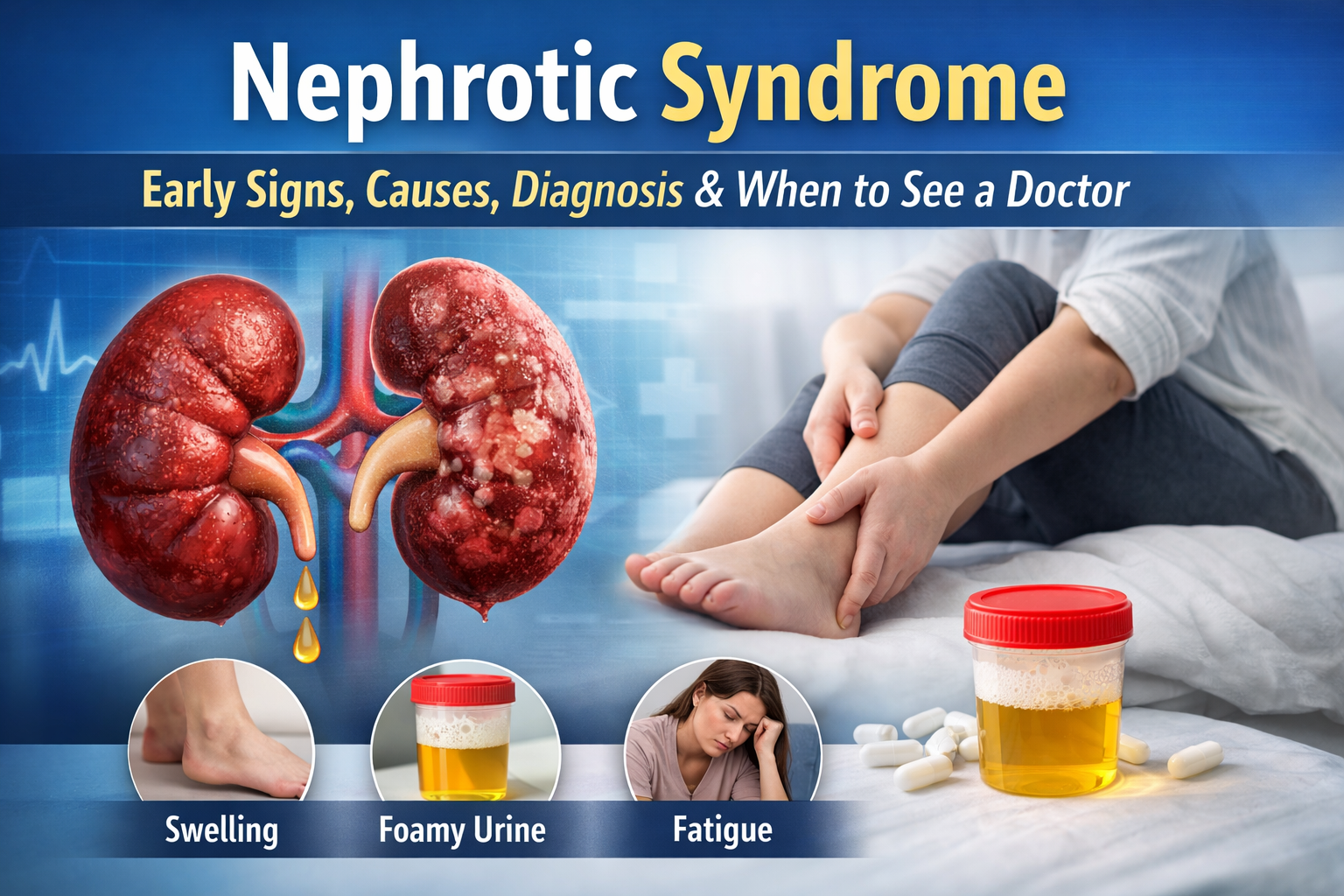

Nephrotic syndrome can sneak up on you and can be the worst kind of surprise. That’s why being able to recognize the early signs, even the ones that feel totally minor, is just so important. When symptoms first pop up, they often feel mild. Maybe you think they’re unrelated to your health entirely.
But here’s the thing: once you actually grasp how this condition works, it empowers you to respond fast. And that quick action? It absolutely protects your long-term kidney health. And obviously, we’re here at SouthernOKC to help you do exactly that from the moment you walk in the door.
What Is Nephrotic Syndrome?
Nephrotic syndrome occurs when the tiny, tiny filters inside your kidneys, the glomeruli, stop functioning the way they should. They get damaged, somehow. And once that damage happens, the essential protein your body needs, the stuff that keeps your fluids in place, starts leaking into the urine. We call that proteinuria.
So, when all that protein, specifically albumin, leaks out, your blood just doesn’t have the holding power anymore. The fluid your blood should contain starts shifting out of your veins and into your actual body tissues. The concept is simple, even if the medical name isn’t: the filters weaken, protein escapes, and your body reacts.
The Swelling, the Foam, the Fatigue
The very first thing most people notice? Swelling. It’s usually super subtle at first, maybe just a little puffiness around your eyes when you wake up. Or maybe it’s your ankles, and it seems to get worse as the day wears on.
That swelling is called edema, and it happens because your bloodstream isn’t holding fluid correctly. Simple as that. Some patients also mention that their urine is really foamy. That’s a strong sign of protein loss. And get this, in a weird attempt to fix things, your liver tries to compensate for the protein loss by producing more fat, which can lead to hyperlipidemia, super high cholesterol. Look, the body tries to fix the problem, but it just can’t do it alone.
Warning Signs You Need to Pay Attention
Symptoms are all over the map, but a few specific changes absolutely deserve your immediate attention. Don’t push them aside.
- Persistent puffiness in the face.
- Swelling that simply won’t quit, especially around the ankles and feet.
- Unexpected weight gain. (It’s usually fluid retention, not actual fat.
- Fatigue. I mean, just debilitating, bone-deep tiredness that a cup of coffee won’t touch.
- Sometimes, mild abdominal discomfort shows up.
The frustrating thing? Most people, and this is true, write these signs off as stress, or maybe just bad sleep. Stop doing that. You need to keep a symptom diary, even just a note on your phone. That record helps your doctor look past the generalities and see the full, accurate, and often urgent picture.
Common Triggers
A bunch of different underlying conditions can trigger this disorder. It’s not just one easy path. Many patients, for example, develop Nephrotic syndrome because of long-term effects from diabetes-related kidney disease. This is, unfortunately, incredibly common here. Others face issues connected to various immune disorders. We often see Minimal Change Disease, or FSGS, Lupus, or sometimes Membranous Nephropathy. Rarely, it’s connected to something called Amyloidosis.
The point? Every single cause affects the kidneys differently, which means the treatment plan is never generic. It’s always, always personalized.
When Nephrotic Syndrome Gets Seriously Bad
Without proper intervention, nephrotic syndrome can progress. That low protein in the blood, hypoalbuminemia, only makes the swelling and fatigue exponentially worse. You also run a much higher risk of blood clots or infections. A sudden change in your urine output? That can signal an acute kidney injury. High blood pressure often comes next. Anemia can appear when your kidneys struggle for too long. These changes all of them call for medical attention immediately.

Getting the Diagnosis
Diagnosis starts with simple urine tests. A quick dipstick gives us a fast read, but a 24-hour urine collection gives us the definitive look. We check the albumin-to-creatinine ratio to see exactly how much protein is leaking. Blood tests check cholesterol and kidney function markers. If things still look fuzzy, a biopsy might be needed to confirm the precise cause. Look, we encourage early testing here at SouthernOKC because it’s truly the only way to stop a small problem from turning into big, long-term damage.
Treatment and Lifestyle Management
Once we figure out the cause, we build a specific, tailored plan.
- Many patients use ACE inhibitors or ARB medications that protect the kidney filters.
- Diuretics help manage the swelling.
- Statins get cholesterol back in check.
SouthernOKC focuses on treatments that protect those precious filters and stabilize your symptoms before things get out of control.
Diet and Lifestyle Changes to Feel Better
And listen, your daily habits matter. A low-sodium diet is critical for cutting down that swelling. Fluid management is essential. Some people need less saturated fat; some need adjusted protein intake. We will tell you exactly what you need. Small, consistent improvements bring huge relief. We see it work every single day. Keeping your meals simple often works best.
When to Call the Specialist (Nephrologist)
A few signs mean you need to act now. Persistent foamy urine, rapid swelling, or unexplained weight gain are red flags that rarely fix themselves. Rising blood pressure is another strong signal of kidney trouble. If these appear together, seeing a kidney specialist, nephrologist, is your best, fastest next step. SouthernOKC is always ready to guide you through that referral process and coordinate any follow-up testing you might need.
The Long Game (You Got This)
Recovery really depends on the initial cause, but honestly, many patients reach remission with the right, consistent care. Long-term monitoring prevents those irritating setbacks. Chronic Kidney Disease prevention through early interventions. Follow-up visits are crucial.
With steady management and clear communication with us, that’s the key to most patients successfully returning to a stable routine. You can get back to normal life.
Nephrotic syndrome requires attention, but early action keeps it manageable. SouthernOKC will continue supporting families, offering guidance that actually fits your real life. Taking that first step, just coming in for the test, often brings clarity, and that simple step makes all the difference in protecting your kidneys.