
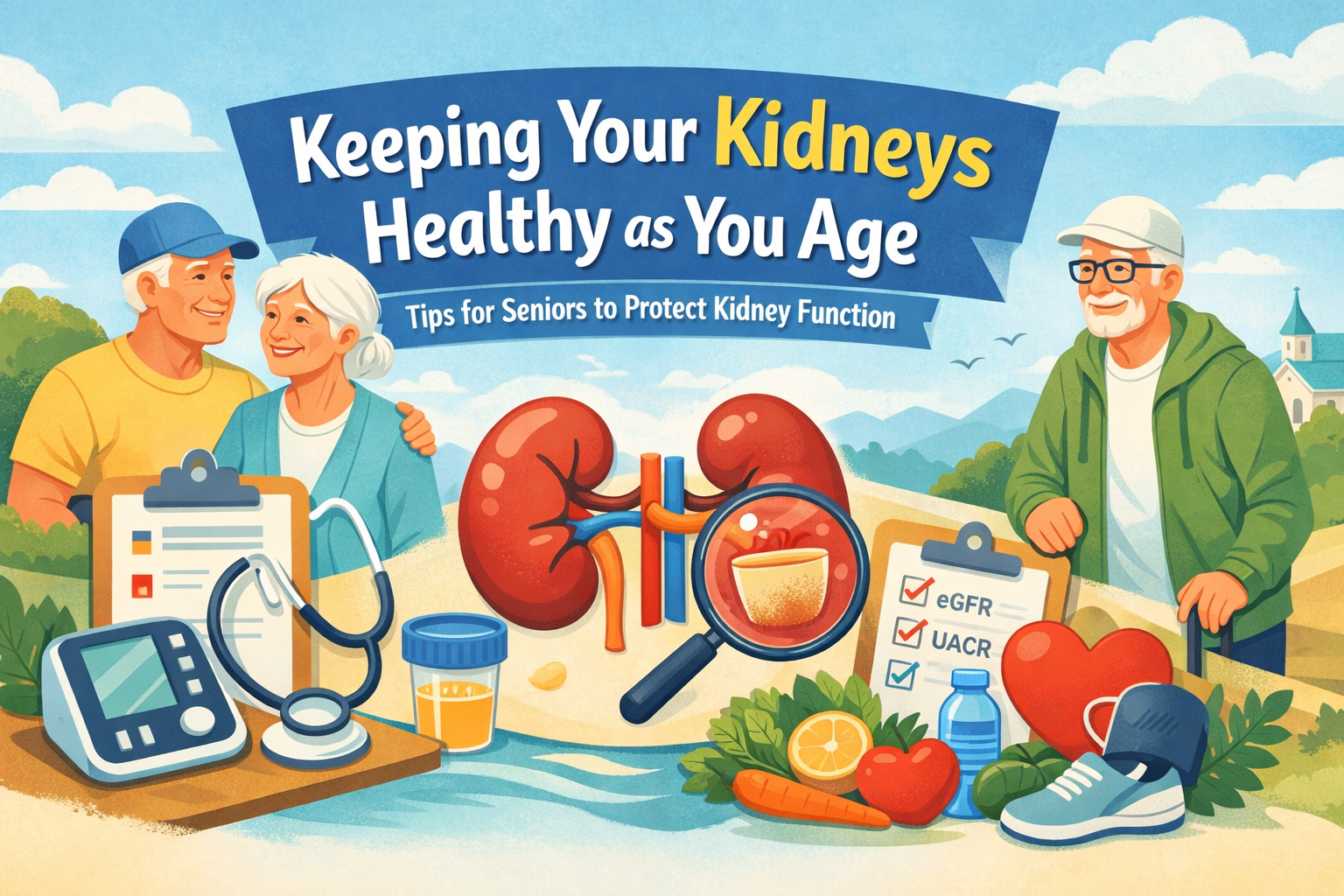

As we get older, our bodies change. Maybe you’ve started feeling more tired for no good reason, or maybe your ankles swell up after a short walk, you know, that swollen (or puffy) look. The weird thing is, those little nuisances could actually be early signals from your kidneys.
Keeping kidneys healthy as you age? It’s not just about avoiding some massive disease, though. It’s about having the energy to actually live your life. Staying independent. Here in Southern Oklahoma Kidney Center, we help people catch these issues super early. Before they turn into serious, complicated messes.
Why Your Kidneys Are Way More Important Now
Kidneys naturally slow down as we age. It’s just aging. But most people don’t realize what that really means. You might shrug off being constantly tired. Or you see persistently foamy urine, not occasional. Even mild kidney strain dramatically increases your risk of Chronic Kidney Disease (CKD).
The faster you act, the easier it is to protect them. Honestly, small habits can make a giant difference in keeping your kidneys healthy as you age.
Early Warning Signs
Ever notice you’re constantly fatigued? Like, more tired than usual? Or do you have to hit the bathroom all the time? Maybe your hands or feet feel a little tingly. Nausea, or sudden puffiness in your face that isn’t a fluke. These are your body’s subtle, quiet ways of talking to you. You have to listen closely. That’s how you can work towards maintaining your health.
The Things That Put You at Risk
Some things are just quietly stressing your kidneys: diabetes, high blood pressure, and heart disease. The family history of CKD is a huge risk factor. You need to know your risks, period. It helps you adjust your habits, get those crucial screenings, and prevent bigger issues. You’d be genuinely surprised how little steps and consistent action matter.
The Essential Tests
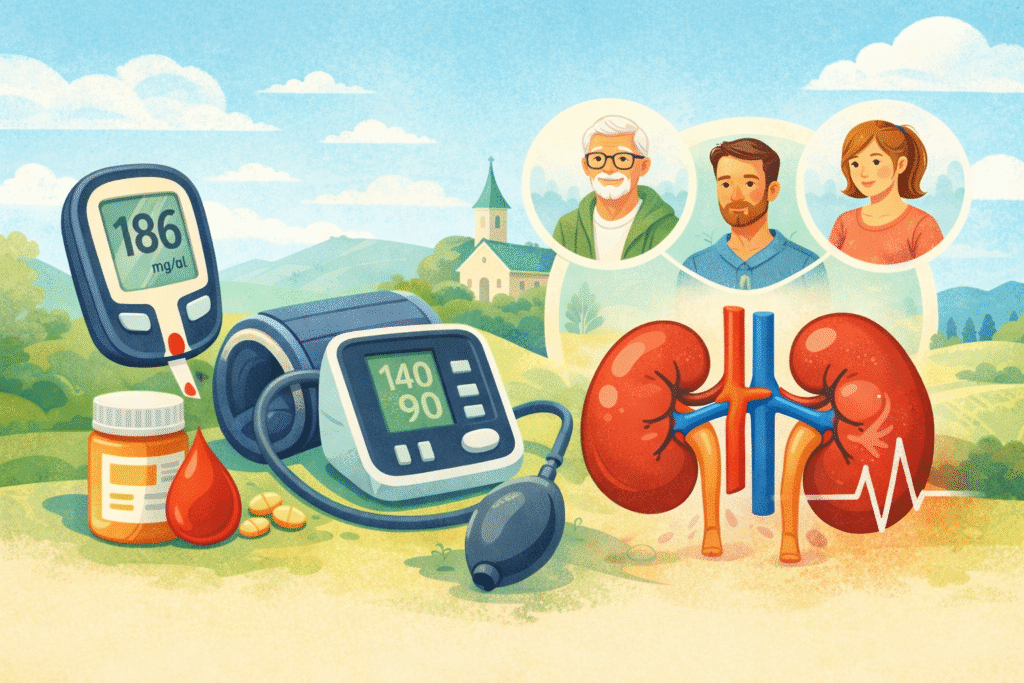
Simple tests. That’s all it takes. Blood pressure checks. Then the eGFR (which estimates how fast your kidneys filter), and the UACR (urine albumin-to-creatinine ratio). Those three things give your doctor a complete snapshot of function. They can spot a change before you feel a single symptom. Early detection makes keeping your kidneys healthy as you age easier and avoids major complications later.
Lifestyle Tips That Keep Kidneys Healthy
Small daily habits are the key. The absolute key. Drink enough water, not too little. Follow a low-sodium diet. And you have to move! Regular movement. Short walks. Gentle stretches. It all improves circulation, which helps your kidneys. Tiny, tiny changes, done consistently, protect your kidneys.
Nutrition Habits
Food has incredible power. Keep an eye on potassium and protein intake, don’t eliminate them, just manage them smartly. And seriously limit sodium. Fresh fruits, fresh vegetables, and lean proteins are your go-to items. These small choices, built over time, naturally support keeping kidneys healthy as you age.
Medications: Use Caution
Seniors often take NSAIDs (like ibuprofen or naproxen) regularly for aches. Did you know those can stress your kidneys over time? You need prescription management. Reviewing all those over-the-counter medications with your doctor is simple, but incredibly effective. Being careful here is essential.
Managing Chronic Conditions
You must control your diabetes, your blood pressure, and any heart conditions. Even minor improvements in those numbers make a noticeable, positive difference to your kidneys. Taking charge of chronic conditions? That’s one of the single best ways to keep your kidneys healthy as you age.
When to Just Go See Your Doctor
Have you noticed sudden swelling? Fatigue that won’t lift? Do your urination patterns feel totally wrong? Schedule a visit immediately. Don’t wait three weeks. Early detection makes treatment easier and prevents much bigger problems.
How SouthernOKC Steps In
SouthernOKC offers the help you actually need, primary care services, screenings, and personalized guidance. Our team teaches you about nutrition, those necessary lifestyle tweaks, and how to manage chronic disease. With that kind of support, keeping kidneys healthy as you age stops feeling abstract. It becomes practical, achievable, and completely realistic.