
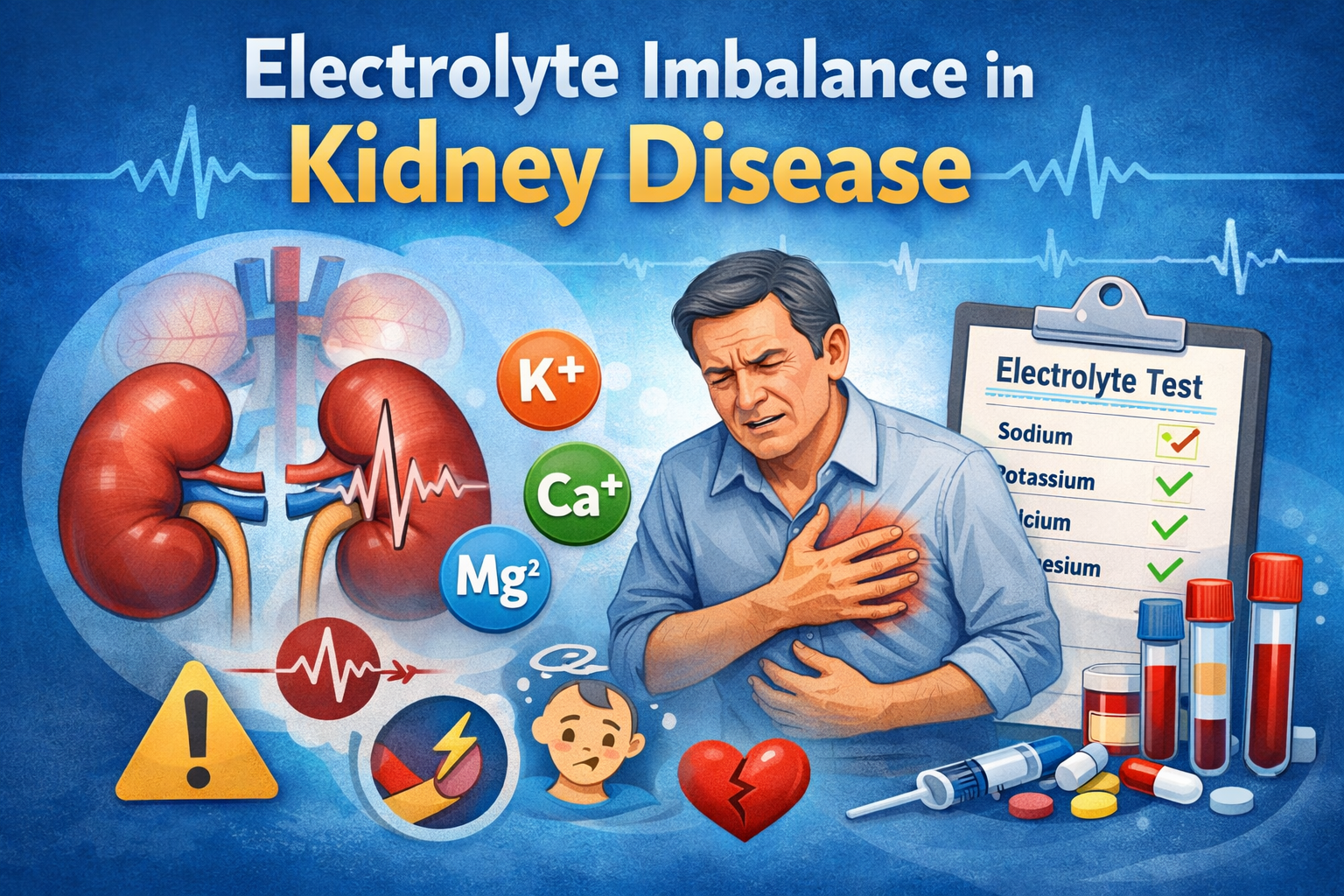

Kidney problems. They’re super sneaky. They don’t just flash a warning light. Instead, they creep up on you, quietly messing with the balance of salts and minerals.
These are often exactly the subtle signs of electrolyte imbalance in kidney disease. And it’s common among the folks we treat. The point of us helping you at SouthernOKC? We want to catch these things super early. So that a tiny problem doesn’t become a massive, complicated emergency later.
What Are Electrolytes? Why They Really Matter When It Comes to Kidney Health
Think of electrolytes like your body’s essential energy crew. These minerals, sodium (Na), potassium (K), calcium (Ca), and magnesium (Mg), are what keep your muscles firing. Your nerves are firing. Your heart, most importantly, is beating rhythmically. They also control your hydration and your body’s pH.
Your kidneys? They are the absolute ultimate control tower, the filter. They manage every single one of those minerals. When kidney function declines, the whole system just gets thrown out of whack. And an imbalance can show up, this is key, sometimes even before you feel really, truly sick.
How The Imbalance Messes Up Your Day
Normally, healthy kidneys are amazing filters. They keep everything steady. But when the disease affects them, the filter weakens. Fluid shifts happen, and electrolyte imbalance in kidney disease can occur.
This can lead to quick changes in sodium, potassium, or calcium levels. When that happens, your muscles, nerves, and even your heart can start reacting right away, often showing signs of trouble before anything else becomes noticeable.
The Big Electrolyte Imbalances We See In Kidney Patients
We see a few problems over and over.
- Hyperkalemia (potassium too high)? That’s a scary one because it seriously messes up your heart rhythm.
- The flip side, hypokalemia (potassium too low), leads to those cramps and total body weakness.
Sodium levels are the worst; they swing all over the place, that’s hypernatremia or hyponatremia, which affects your blood pressure and, honestly, how alert or confused you feel. Calcium imbalances impact your bones and nerves. Acid-base changes, like acidosis, can start happening too.
Symptoms to Watch For Immediately
You positively need to watch for specific things: Muscle cramps that make zero sense. Fatigue that doesn’t go away. Weakness. That weird, irregular heartbeat (arrhythmia). Nausea. Vomiting. Confusion. Or that persistent tingling in your hands or feet.
These signs are intermittent. That’s why you ignore them. You think it’s just stress. But recognizing electrolyte imbalance in kidney disease matters because it helps prevent serious complications.

Risk Factors That Make It Worse
- Losing Too Much Fluid: Things like severe dehydration, vomiting, diarrhea, or even heavy sweating (from fever or intense exercise) can rapidly deplete vital minerals.
- Medication Interference: Certain drugs, particularly diuretics (water pills), some antibiotics, and chemotherapy agents, can disrupt the way your kidneys handle salts and minerals.
- Other Health Issues: Underlying conditions like heart or liver disease add another layer of complexity, compounding the stress on your body’s systems.
Being aware of these risk factors is your superpower. Knowing what to watch out for helps you and your doctor manage risks and keep things stable.
How Doctors Figure It Out (The Blood Test)
We determine it through blood tests. Fast, simple. We get an electrolyte panel, or the BMP/CMP. These tests track sodium, potassium, and other electrolytes. Routine checks are just smart healthcare. At SouthernOKC, it’s part of how we keep tabs on your kidneys.
Smart Treatment Options for Electrolyte Imbalances
The fix depends on the damage. Mild imbalances? We can often fix those with a simple diet change. Or maybe some electrolyte solution. Severe cases? We might need IV fluids, replacement minerals through the vein, or specific medications.
If the kidney damage is advanced, sometimes patients just need hemodialysis to stabilize things. SouthernOKC makes sure every treatment plan fits each person’s unique needs, helping prevent electrolyte imbalances in kidney disease from getting worse.
What Happens If Electrolyte Imbalances Are Ignored?
Ignoring electrolyte issues is genuinely dangerous. We’re talking about seizures, coma, and sudden cardiac arrest. That’s why continuous kidney care is essential.
Prevention: Simple Rules
Simple habits work wonders. Drink the right amount of water. Handle vomiting or diarrhea immediately. Keep a list of all your meds handy. Regular lab tests keep those mineral levels safe. Following your doctor’s specific guidance consistently supports Chronic Kidney Disease prevention. Following the recommended guidance can really help lower the chances of electrolyte imbalances in kidney disease.
When You Should Seek Urgent Medical Care in Southern Oklahoma
If you suddenly experience a rapid heartbeat, overwhelming, severe fatigue, or have ongoing vomiting or diarrhea, you need to act fast. Signs of dehydration or a feeling of sudden confusion are serious red flags.
A quick response is essential to prevent dangerous complications and protect your kidney health. If you experience any of these symptoms, please visit the Southern Oklahoma Kidney Center immediately.