
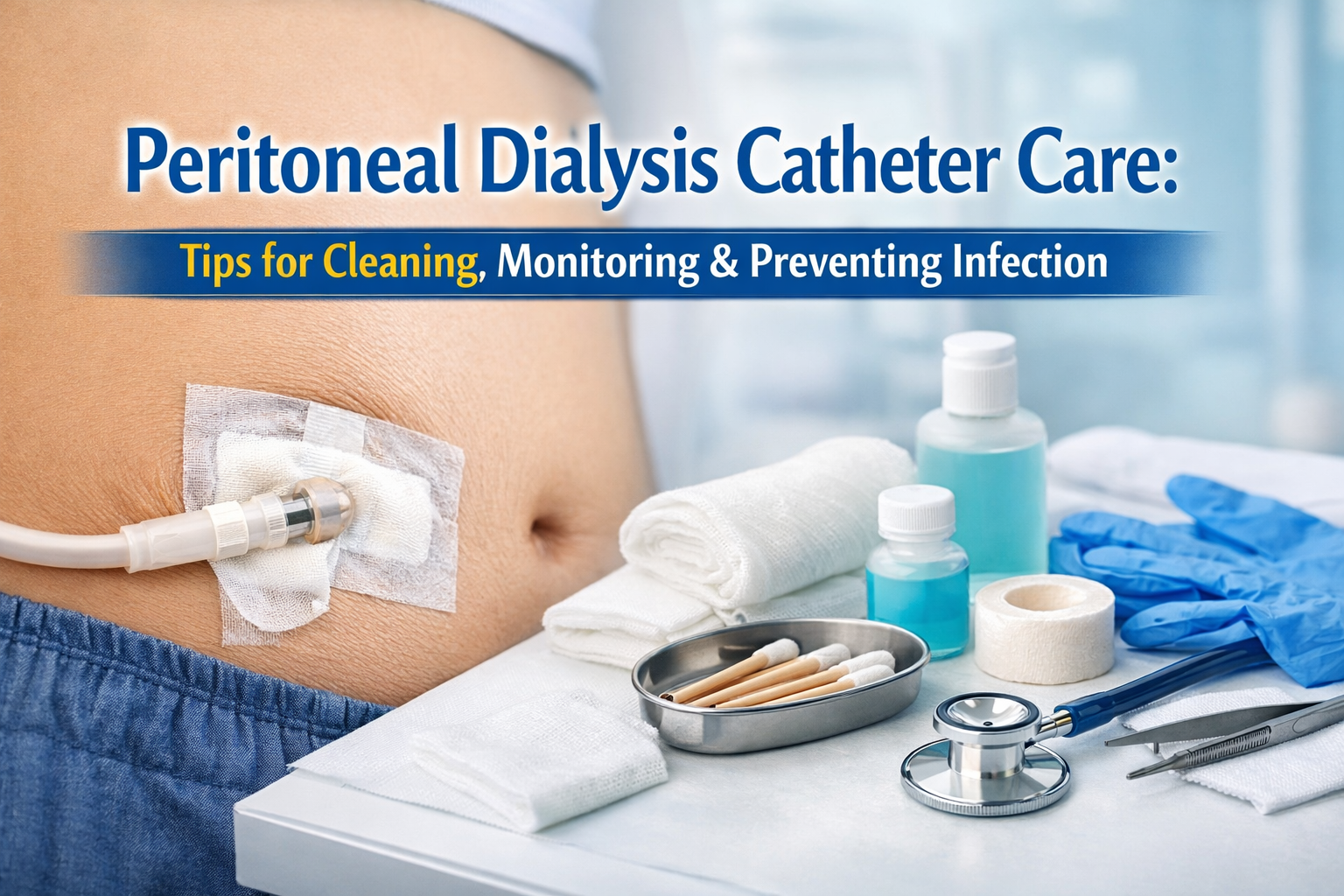

If you’re on peritoneal dialysis (PD), know that the peritoneal dialysis catheter is quite literally your lifeline. No two ways about it. Keeping the site clean and functional? That is the essential part for safe treatment and keeping your kidneys healthy long term. It’s a lot like the other primary care we handle at Southern Oklahoma Kidney Center. Whether you’re coming in for a routine physical or looking for internal medicine advice, the goal is always the same: stay ahead of the trouble.
Following a strict care routine for your catheter is how you stop infections before they even think about starting. We want you to manage your peritoneal dialysis catheter at home.
Why Proper Catheter Care Matters
The main concern is peritonitis. It’s the one infection nobody wants because it can interrupt your dialysis sessions immediately. Daily cleaning and being extremely gentle when you handle the catheter are just non-negotiable. You’ve also got to check that exit site every single day. Patients who actually follow these habits face way fewer risks.
At Southern Oklahoma Kidney Center, we build routines that fit your actual life. You know, the life where you’re also worrying about weight loss goals or maybe just trying to survive the latest cold and flu season going around. Small, daily achievements? That’s what keeps the big complications away.
First Steps After Your Catheter Placement
The first few days after surgery are well, they’re sensitive. You’ve got to be careful. Don’t go moving the catheter around more than you absolutely have to. And those bandage instructions? Follow them to the letter. Southern Oklahoma Kidney Center walks you through that first week, we’ll explain what’s normal and what’s actually a warning sign. Establishing these habits early makes the transition to home care much smoother, especially for patients preparing for home peritoneal dialysis. It ensures your peritoneal dialysis catheter care is solid from day one.
Guidelines for Bandages and Dressing Changes
- Use sterile gauze and medical tape. You want it secure so it doesn’t tug on the skin; that pulling feeling is the absolute worst.
- Stick to the dressing change schedule your PD nurse set. Don’t improvise.
- Watch for redness, swelling, or any drainage that looks unusual.
- Keep your workspace spotless. Cleanliness matters here.
Doing this right reduces your infection risk. It’s worth the extra five minutes.
Monitoring the Exit Site
Check the site every day. It takes a minute. You’re looking for the usual suspects: redness, pus, or new tenderness. If something looks different from what it did yesterday, catch it early so the care team can step in fast. Think of it as a quick internal medicine check-up you do for yourself. Constant monitoring is your best shield.
Activity and Lifestyle Considerations
Most daily activities are fine, but be smart. Don’t go lifting heavy furniture or straining your stomach area. Good posture and light movement actually help keep the catheter sitting where it’s supposed to. Also, and this might sound a bit unexpected, watch your digestion. Staying on top of bowel movements prevents the kind of internal strain that messes with how the catheter functions.

Managing Diet and Bowel Movements
A high fiber diet and lots of water plays essential role in supporting kidney care. If your team suggests it, stool softeners can help keep things moving along. Regularity isn’t just about being comfortable; it actually protects the catheter. It makes your peritoneal dialysis catheter care much more effective overall.
Long-Term Catheter Care
Hygiene doesn’t stop being a big deal once you’ve healed. It’s a lifelong commitment. Cleaning the site, sticking to the dressing steps, and watching for changes? That’s how you stay healthy for years. With the right guidance from a PD nurse, managing your peritoneal dialysis catheter safely just becomes another part of your routine.
Cleaning the Exit Site
Scrub your hands first. Every time. Use antibacterial soap and clean water, then pat the area dry gently. No scrubbing. These simple steps are your primary defense against infection. They keep the catheter performing exactly as it should.
Using Medications and Dressings Safely
Only use the antibiotic creams or dressings your team actually prescribed. Stick to those specific products. Stay far away from petroleum-based ointments. Using the right supplies prevents irritation and supports a healthy peritoneal dialysis catheter environment.
Troubleshooting and When to Seek Help
Reach out to Southern Oklahoma Kidney Center immediately if you have a fever, abdominal pain, or see signs of infection. Fast reporting is the only way to prevent peritonitis and keep your dialysis on track. Being proactive is the most important thing you can do.
Catheter Lifespan and Removal
With good care, these catheters can last for several years. Sometimes they need to come out, maybe due to an infection, a mechanical issue, or a change in your treatment plan. Our team will explain what to expect and find the right alternatives so you can keep doing your dialysis safely at home.