
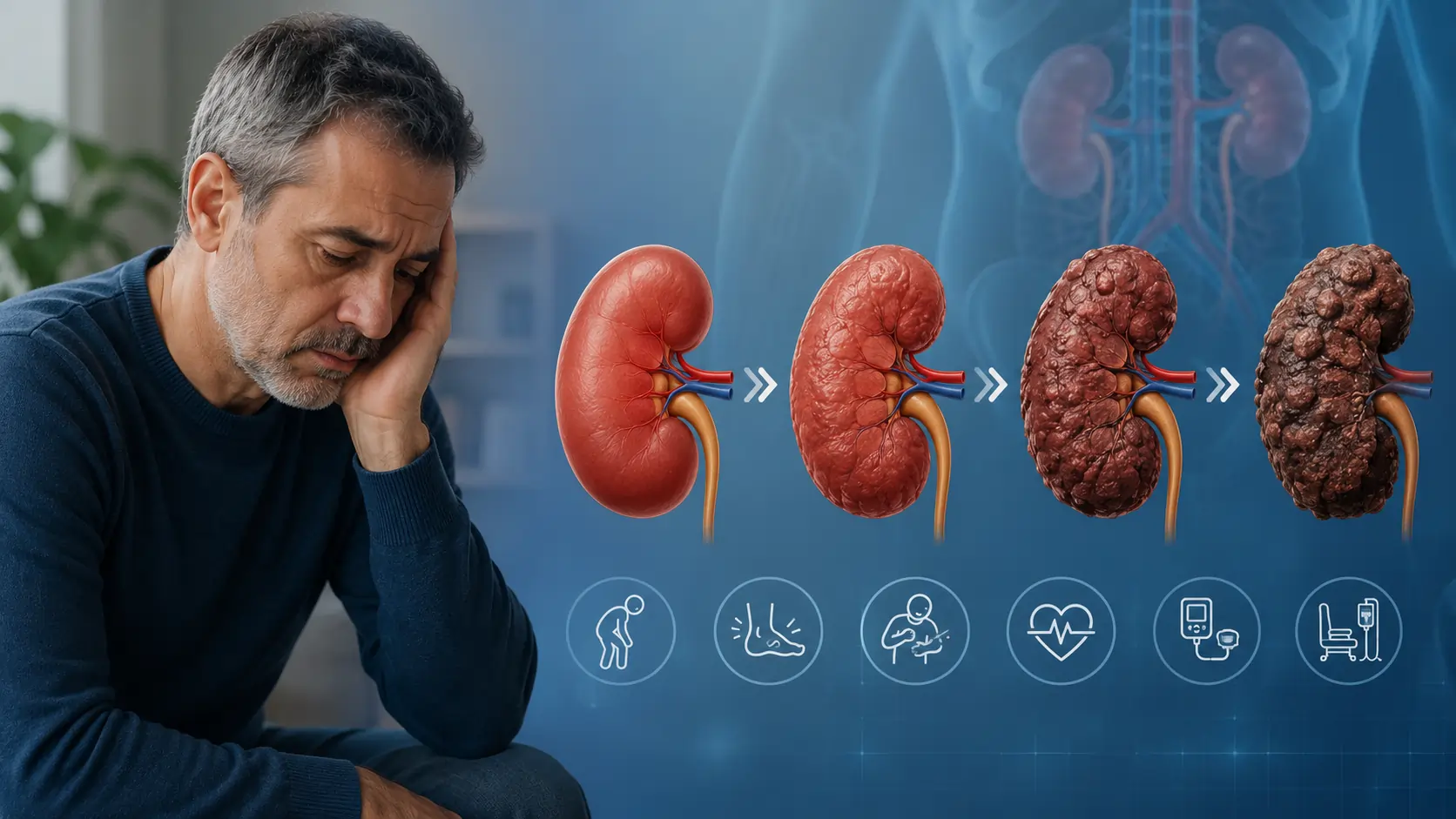

Southern Oklahoma Kidney Center provides specialized care for patients managing long-term kidney conditions, focusing on early detection and treatment planning. When kidney disease begins to progress, changes may feel slow at first. Over time, however, the kidneys lose more ability to filter waste, balance fluids, and regulate important body functions that support overall health.
What Changes Occur When Kidney Disease Progresses?
As kidney disease progresses, the kidneys gradually lose their filtering ability. Waste products and excess fluid begin to build up in the body. This affects blood pressure, energy levels, and overall well-being. In many cases, patients may not notice early changes, but internal damage continues quietly, making regular monitoring essential for timely intervention.
As the condition advances, symptoms become more noticeable. Fatigue increases, swelling may appear in the legs or face, and urination patterns can change. These signs often indicate that kidney function is declining and a medical evaluation is needed.
How Does Kidney Function Decline Over Time?
Kidney function declines slowly in most cases. The process often begins with mild damage that does not cause symptoms. Over time, repeated stress from conditions like diabetes or high blood pressure leads to worsening function.
Kidney disease at this stage affects how well the kidneys filter toxins from the blood. Protein may leak into urine, and waste levels rise gradually. This stage-based decline is why early detection is so important.
What are The Early Signs of Worsening Kidney Health?
Early signs can be subtle and easy to overlook. Patients may experience mild fatigue, decreased appetite, or occasional swelling. Some notice foamy urine, which may indicate protein loss.
Sleep disturbances and difficulty concentrating can also appear. These symptoms develop gradually and often go unnoticed until routine blood tests reveal reduced kidney function. Early awareness can help slow further damage.
What Complications Can Develop in Advanced Stages?
As kidney disease progresses, complications become more serious. Fluid buildup can lead to swelling and shortness of breath. Electrolyte imbalances may affect heart rhythm and muscle function.
Anemia is also common, causing persistent tiredness and weakness. Bone health may decline due to mineral imbalance. At this stage, patients require close medical supervision to manage risks effectively and maintain stability.
How Can Progression of Kidney Damage Be Slowed?
Slowing kidney disease progression involves controlling underlying causes. Managing blood pressure and blood sugar plays a central role. Dietary adjustments, such as reducing sodium and protein intake, may also help reduce kidney strain.
Regular checkups allow healthcare providers to adjust treatment plans as needed. Medication adherence and lifestyle modifications can significantly reduce the speed of decline and support kidney function for longer periods.

When is Dialysis or Transplant Considered Necessary?
Dialysis or transplant care is considered when kidney function drops to a critical level. At this stage, the kidneys can no longer adequately filter waste from the blood.
Dialysis helps perform this function artificially, while a transplant offers a long-term replacement option. The decision depends on overall health, kidney function levels, and individual patient evaluation by specialists.
How Does Ongoing Care Support Long-Term Kidney Health?
Ongoing care focuses on slowing damage and improving quality of life. Regular monitoring helps detect changes early, allowing timely adjustments in treatment. Supportive care may include medication management, dietary planning, and blood pressure control.
In the United States, nephrology care often emphasizes long-term tracking rather than short-term fixes. This approach helps patients maintain stability and avoid sudden complications.
Why is Early Intervention Important in Kidney Disease?
Early intervention allows doctors to slow progression before major damage occurs. Once kidney disease advances, treatment becomes more complex and focused on managing complications.
Routine testing helps identify issues before symptoms appear. This makes early care one of the most effective ways to preserve kidney function and reduce long-term risks.
How Does Southern Oklahoma Kidney Center Support Patients?
Southern Oklahoma Kidney Center provides patient-focused nephrology care designed to monitor, diagnose, and manage kidney conditions at every stage. The goal is to preserve kidney function for as long as possible through structured care plans and continuous evaluation.
Patients receive guidance tailored to their condition, helping them understand changes and make informed decisions about their health.
What Should Patients Expect as Kidney Disease Progresses?
As kidney function declines, patients often require more frequent monitoring and adjustments in treatment. Symptoms may change over time, requiring flexible care strategies.
Kidney disease progression is not the same for every patient. Some experience slow changes, while others may progress faster depending on underlying conditions and lifestyle factors.
What is The Long-Term Outlook for Kidney Disease?
Understanding how kidney disease progresses helps patients take timely action and manage their health more effectively. With proper care, lifestyle adjustments, and medical supervision, progression can often be slowed.
Southern Oklahoma Kidney Center remains committed to supporting patients through every stage of kidney care. In the U.S, early detection and continuous management remain the most effective tools for protecting long-term kidney health.