
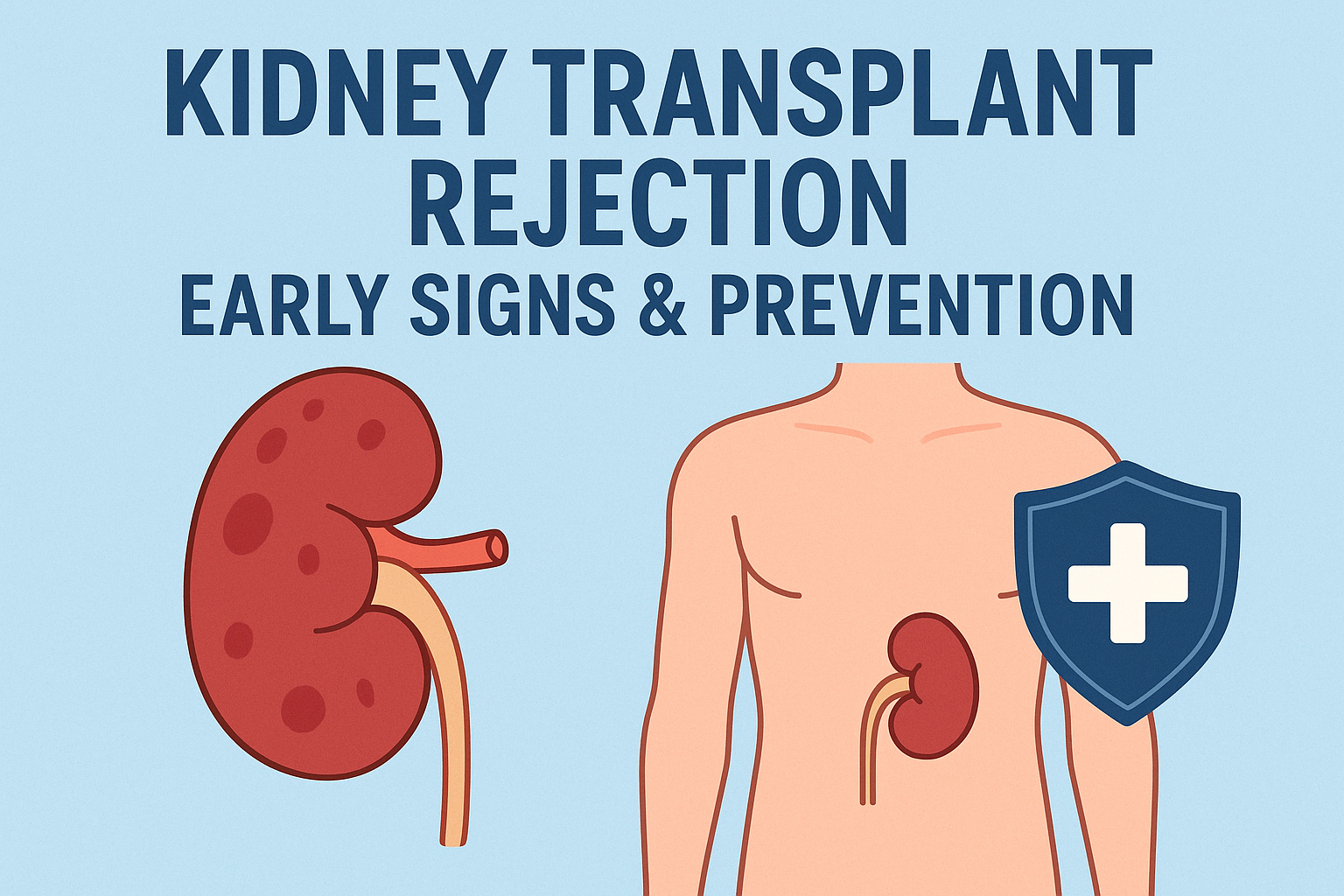

People often hear about complications after a kidney transplant, but the details feel unclear until something forces attention. There’s a moment when even tiny changes make people pause and start looking for medical guidance. This guide explains how kidney transplant rejection develops and what can help protect long-term kidney function. People near Ardmore, OK, or Gainesville, TX, can also find steady care through SouthernOKC.
What is Kidney Transplant Rejection?
There is a simple idea behind rejection. The body recognizes the new kidney as unfamiliar, and the immune system reacts. It is not sudden in most cases, though it can be. People who understand kidney transplant rejection early detection usually feel more prepared. The goal is not fear. It is awareness.
Types of Kidney Transplant Rejection
When people read about types of rejection, the words can feel heavy. But breaking them into groups makes things clearer. There are three main types that doctors watch over. Each has its timing and its own pattern. These patterns help guide treatment and lower risks tied to kidney transplant rejection.
Hyperacute Rejection
This type happens very fast. It starts because strong antibodies react during or right after surgery. One can imagine the immune system moving too quickly, almost without pause. This reaction is now rare because of better matching tests. Still, knowing it exists helps people understand the full picture.
Acute Rejection
Acute rejection often appears within the first months. T-cells become more active and cause inflammation. The symptoms are not always loud, so some people do not notice them immediately. Doctors usually pick it up during routine checks. Good communication improves outcomes.
Chronic Rejection
Chronic rejection moves slowly. It builds up over the years and gradually reduces kidney function. People describe it as something that creeps in without obvious warning. Regular monitoring often helps catch subtle changes. Even with treatment, this type can be challenging to reverse.
Causes of Kidney Transplant Rejection
Several pathways lead to rejection. The immune system plays the central role, but other factors matter too. Some causes develop quietly, which is why consistent reviews help. These issues often shape how doctors respond to kidney transplant rejection during follow-up care.
Immune System Response
Anything that is unfamiliar is reacted to by the immune system. This is joined by antibodies, T-cells, and B-cells. They perform well, yet they can destroy the kidney that has been transplanted. Knowing this contributes to making the concept of rejection not so obscure. When individuals understand the functioning of such responses, they can plan.
Medication Non-Adherence
The lack of an immunosuppressive drug increases the risk rapidly. These medications must remain constant in the body. The immune system is awakened and responds in the case of missing doses. It occurs more spontaneously than expected. Physicians tend to remind patients about medication routines.
Other Contributing Factors
Rejection sometimes begins because of infections or mismatched donors. Age and other health conditions also add pressure. These factors combine in ways that differ for each patient. It explains why follow-up care remains continuous.

Early Signs and Symptoms
The early signs do not always feel dramatic. Some people notice fatigue or a change in urine. Others feel minor swelling. These signs appear differently for everyone. Small changes deserve attention because they help detect kidney transplant rejection before it grows worse.
Common Symptoms
Common symptoms often include swelling, weight gain, or rising blood pressure. They are not unique to rejection, which can confuse people at first. It is easier when doctors guide the interpretation. These symptoms are simply cues, nothing more.
Severe Symptoms
Severe symptoms include pain near the transplant site, fever, or fast kidney decline. These changes require quick evaluation. People sometimes wait, hoping they will pass. It is better not to wait when symptoms escalate.
Diagnosis of Kidney Transplant Rejection
Doctors use blood tests, imaging, and biopsies to confirm rejection. Each test shows different clues. The biopsy provides the clearest picture. There is no single test that explains everything. These combined results guide treatment plans.
Prevention and Management Strategies for Kidney Transplant Rejection
Prevention starts with everyday habits. Taking medications consistently, attending regular checkups, and having open discussions with your care team help maintain stability. These routines reduce the risk of kidney transplant rejection. People who follow a long-term plan often feel more confident managing their health and maintaining kidney function over time.
Medication Management
Staying consistent with immunosuppressive therapy is essential. There is no perfect routine, but finding one that fits daily life makes adherence easier. Some people use reminders or pill organizers. These simple steps support long-term stability.
Lifestyle Modifications
Lifestyle adjustments include eating balanced meals, staying well-hydrated, and managing stress. Light exercise also supports overall health. These habits can help reduce the risk of kidney transplant rejection without putting extra strain on the body. Building these routines gradually is more effective than making sudden, drastic changes.
Regular Monitoring & Follow-Up
The types of monitoring involve lab, clinic, and blood pressure checks. The steps assist doctors in noticing the changes before the symptoms manifest. Working on small problems is easier to handle. The regular treatment is a new way of life after transplantation.
Treatment Options for Rejection
Treatment includes stronger medicines, temporary dialysis, or sometimes a repeat transplant. The approach depends on how early the problem is found. There is more flexibility when the signs are caught quickly. Each path has its own timeline.
When to Seek Immediate Medical Help
Emergency care is needed when symptoms appear suddenly. Severe swelling, sharp pain, or very low urine output may indicate kidney transplant rejection and require immediate attention. It is best to let a nephrologist guide the next steps. People connected with SouthernOKC often receive prompt support for urgent transplant concerns.