

Living with Chronic Kidney Disease (CKD) is a whole new challenge. People often assume exercise is just off the table now. That is wrong, honestly. Finding the right ways to move your body is vital for managing this condition. Following these specific CKD exercise guidelines helps manage your energy and keeps you generally healthier. It truly helps.
Applying CKD Exercise Guidelines to Manage Kidney Disease
CKD simply means your kidneys are not fully filtering blood anymore. This absolutely impacts everything, including your overall energy levels. However, appropriate physical activity is not banned; doctors encourage it, following specific CKD exercise guidelines. Even mild, gentle movement can genuinely help your body handle the tough demands of CKD stages.
Why Staying Active Matters for CKD Patients
Staying active gives you big, big benefits. It helps improve your vital cardiovascular health. That is important because CKD puts added stress on the heart. Movement also helps build up your essential muscle strength. You might even notice a much better boost in your general energy levels.
Precautions Before Starting an Exercise Routine
Before you start any exercise routine, you must go see your doctor. You need a doctor consultation first, seriously, do not skip this. They need to check your current lab tests and give you their specific clearance. Safety tips are crucial before you even think about moving your body.
Low-Impact Exercises Suitable for CKD
The most appropriate types of exercises are the low-impact ones. This implies that they do not put any strain on the joints or your heart as well, following CKD exercise guidelines. Such activities as basic walking, swimming, or cycling are good starting points. Much as you like, please ask your physician to use an elliptical machine.
Walking: The Easiest Form of Exercise
Walking is, by far, the simplest thing to begin. Just track your step count and the total duration every day. It is great for safely monitoring your heart rate. Start with only five minutes, then slowly, slowly build up your time.

Swimming and Water Workouts
Water workouts are great because they are wonderfully joint-friendly. The water provides natural resistance training without the harsh impact. Swimming means a really low injury risk. This movement is often a top recommended choice for people with kidney disease.
Cycling and Stationary Bikes
Cycling, especially when you use a stationary bike, is excellent for your cardiovascular health. It seriously helps with stamina building over time. Plus, it is very easy on the knees, very knee-friendly. You control the pace and resistance totally from the seat.
Strength Training for CKD Patients
You absolutely need to keep your muscle mass from shrinking. Strength training should use light weights or something like resistance bands. This gentle resistance is key to muscle maintenance. Never lift anything too heavy, though. That is not the goal here.
Safe Strength Exercises at Home
You can use simple bodyweight exercises easily, right in your own home. Focus a lot on having a good, safe posture. Start with low repetitions and pay attention to how your body feels. Simple movements are usually the most effective, believe it or not.
Gym-Based Strength Training Tips
If you do join a gym, try to get some supervised workouts scheduled. This makes sure you are using the proper equipment. Safety must be your priority over lifting more. Being consistent is the thing that really matters.
Flexibility and Balance Exercises
Stretching and balance should not be forgotten. Light stretching helps to keep your muscles in good shape. The yoga and tai chi practices are completely amazing in enhancing mobility. The exercises also prevent accidental falls.
Managing Fatigue During Workouts
Fatigue can be a major issue for CKD patients. You must practice smart pacing during any exercise session, following CKD exercise guidelines. Schedule lots of short rest periods. Learn how to conserve energy throughout the day for your planned workout.
Hydration and Diet Considerations
You must be very cautious about fluids and diet while exercising. Balancing your electrolyte balance is complicated. You must strictly follow your specific fluid intake limits. Always stick to a kidney-friendly diet. The team at SouthernOKC can provide diet help.
Monitoring Your Progress Safely
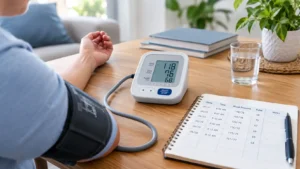
It is necessary to monitor everything. Monitor your blood pressure and pulse rate pre-exercise and post-exercise. Your physician will monitor your general kidney function test. The primary goal is slow, gradual, and gradual improvement.
When to Seek Medical Advice
Know all the warning signs. In case you experience any strange effects, such as chest pains or excessive dizziness, pause all activities. Risks associated with exercise should be considered, following your CKD exercise guidelines. When something is wrong, you must consult a doctor, whether you are in Ardmore, OK, or Gainesville, TX.